
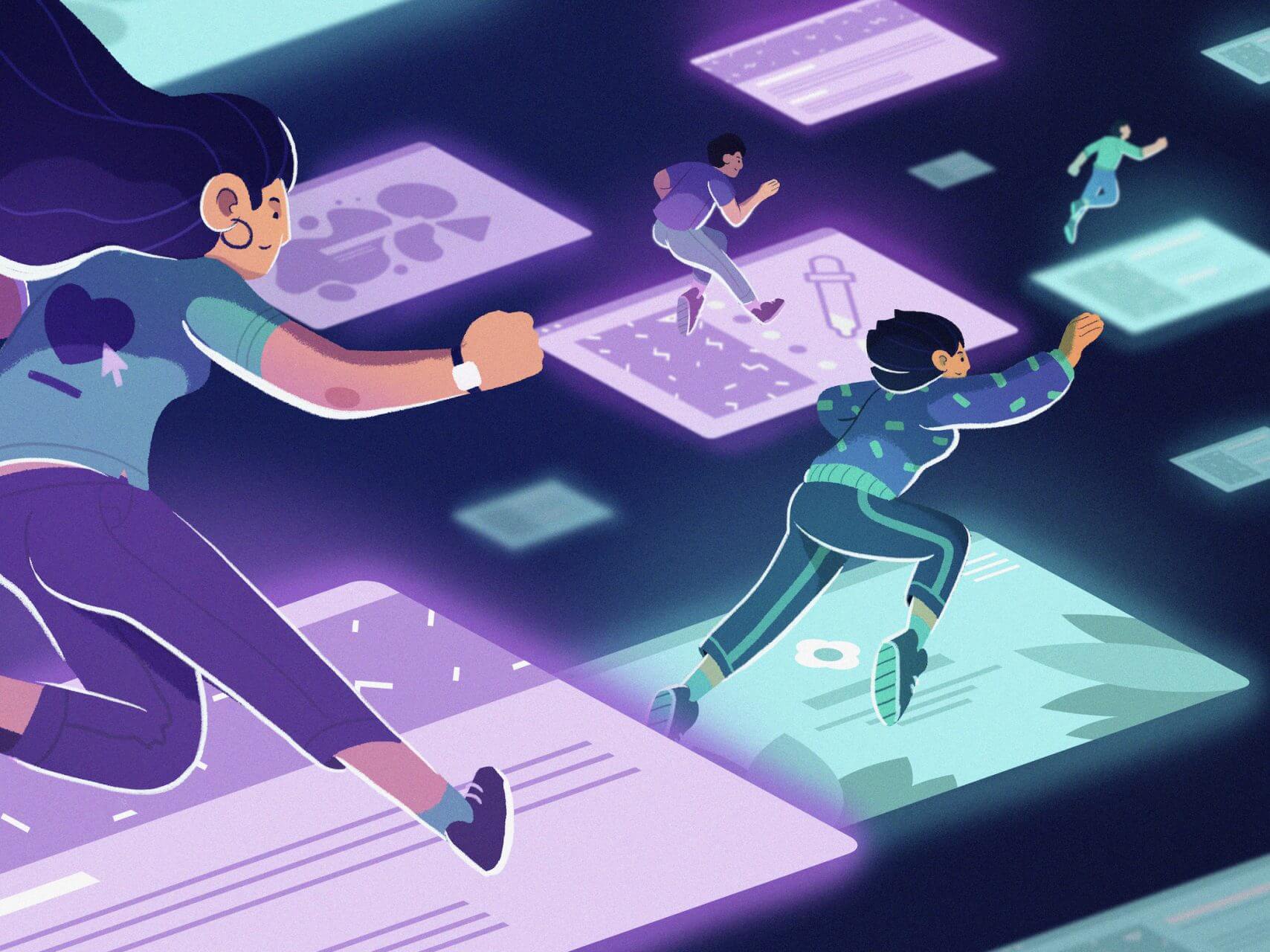
The integration of generative AI in 2026 has altered digital product development and created a sea of homogenization. As vibe-coded templates flood the market, the visual baseline has flatlined. To stand out, enterprise brands and elite design agencies are executing a sharp aesthetic pivot.
We are tracking a dual-movement in web design trends 2026. On the surface, the industry is embracing “tactile brutalism,” prioritizing raw geometry, aggressive color contrast, and simulated physical textures to prove human authorship. Beneath the surface, frontend engineering is optimizing for “machine experience (MX)” and digital sustainability, stripping away heavy JavaScript in favor of lightweight CSS logic.
At Fireart, we approach modern website design as an exercise in friction reduction. We engineer interfaces that drive user attention through bold visuals while adhering to the performance demands of modern AI search crawlers.
Let’s see the aesthetics and frameworks defining high-performance digital products this year.
Article highlights
- Tactile Brutalism replaces Soft UI. Premium web experiences are adopting sharp geometry, 1px solid borders, and stark typography to project engineered precision, moving away from blurred drop shadows.
- Textures replace heavy 3D. Designers are generating physical depth using CSS noise texture and film grain, avoiding the processor lag associated with heavy WebGL implementations.
- Typography becomes the interface. Viewport-scaled fonts and kinetic typography web design are replacing generic hero images, carrying both the visual weight and the brand narrative.
- Search optimization shifts to Machine Experience (MX). As users bypass traditional search for AI agents, semantic HTML and structured design systems become mandatory for digital visibility.
Table of Contents
Looking to build a future-proof digital product? Fireart helps enterprise clients craft visual identities and high-performance architectures.
Explore our Web Design ServicesTrend 1. The Shift to Tactile Brutalism
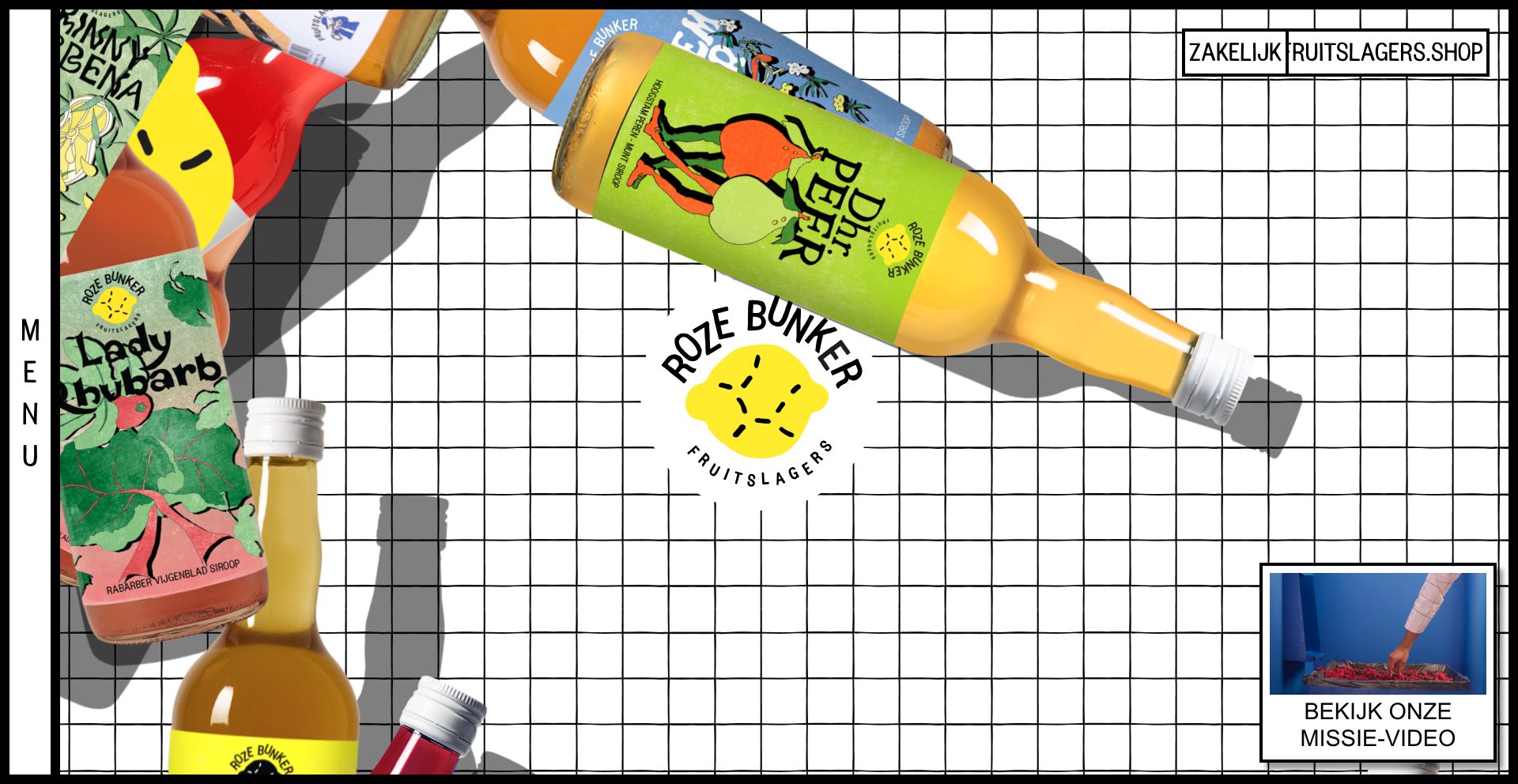
The corporate soft UI aesthetic that defined the early 2020s (heavy drop shadows, extreme border radii, and floating components) is being phased out by elite user interface design 2026 teams. The replacement is tactile brutalism.
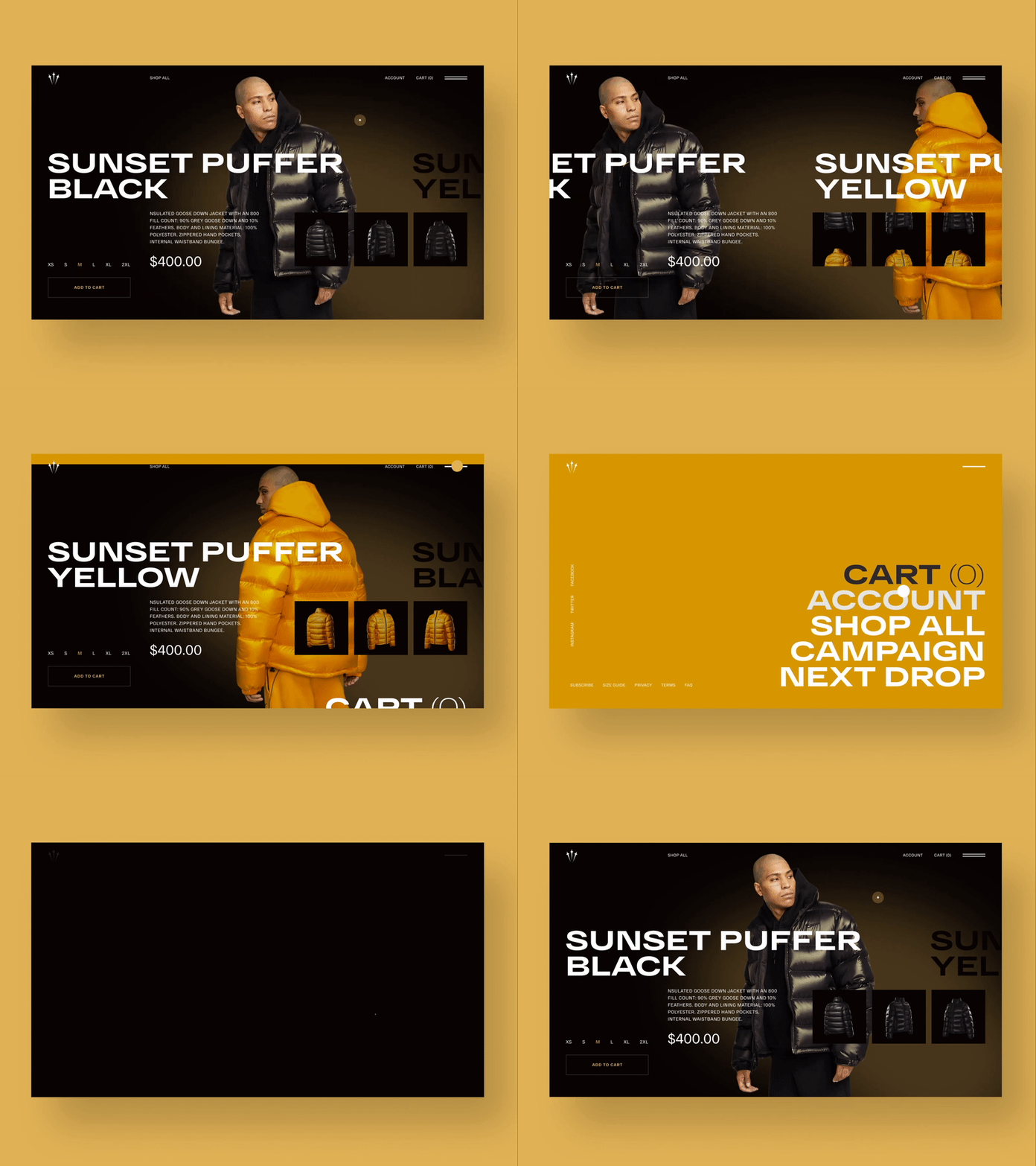
This aesthetic is intentionally raw but executed with precision. It rejects the illusion of floating elements in favor of a brutalist UI 2026 approach where components feel physical and engineered. The shift provides a massive visual contrast against the homogenous outputs of standard AI site builders.
The core mechanics of this anti-soft UI design include:
- Explicit container definitions.
Layouts rely on sharp geometry. We see an abandonment of 8px rounded corners in favor of stark 0px right angles or completely pill-shaped buttons. - 1px solid borders.
Interface containers, cards, and navigation bars are distinctly separated using 1px solid borders CSS (typically neon or stark white against dark backgrounds), creating a structured wireframe aesthetic. - Zero drop shadow design.
Depth is no longer faked through blur. Visual hierarchy is established through overlapping grid lines, high contrast, and Z-index layering.
This aesthetic commands attention immediately. It signals to the user that the interface was architected with deliberate precision, not generated by an algorithm.
Trend 2. Chromatic Extremes and CSS Textures
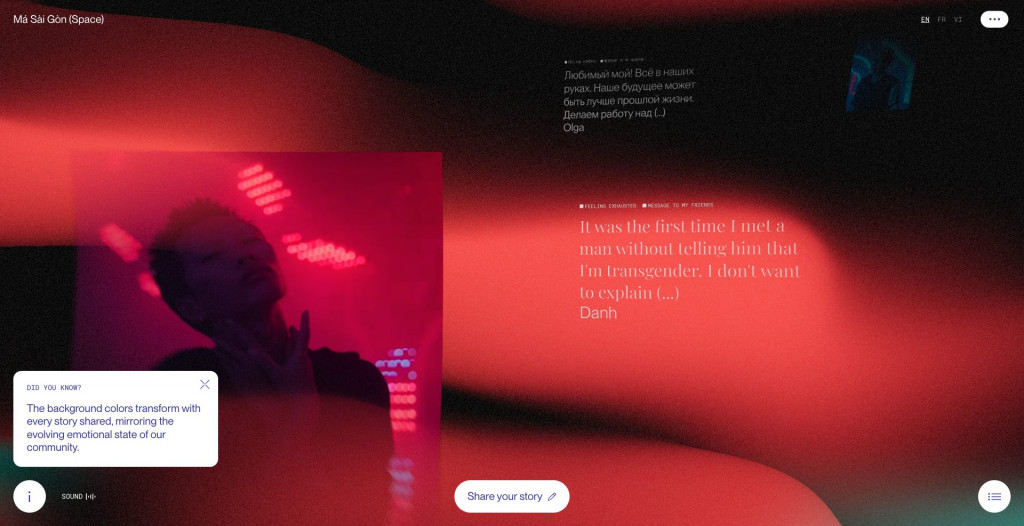
To cut through digital fatigue, frontend development trends are pairing raw geometry with aggressive color palettes. The muted tones of previous years are replaced by high-impact chromatic strategies.
The noticeable implementation is a deep cyber-monochrome palette (charcoal to true black) violently interrupted by a single, highly saturated acid colors in UI (cyan, magenta, or chartreuse).
Because flat design can feel cheap, but rendering massive 3D assets degrades core web vitals, developers are synthesizing depth.
Instead of relying on heavy image payloads, high-performance web design utilizes math to create sensation:
- CSS Noise and Film Grain.
Applying a subtle CSS grain filter or an animated SVG noise overlay to a solid background instantly breaks up the digital perfection. It provides a tactile quality resembling printed paper or cinematic film. - Animated Gradient Backgrounds.
Static gradients are outdated. When color blending is utilized, developers deploy kinetic gradients CSS that shift seamlessly like liquid or thermal maps, running purely on lightweight browser rendering engines.
This execution achieves the premium feel of a heavy, immersive website while maintaining a near-zero impact on mobile battery life and page load speeds.
Trend 3. Typography as the Primary Architecture
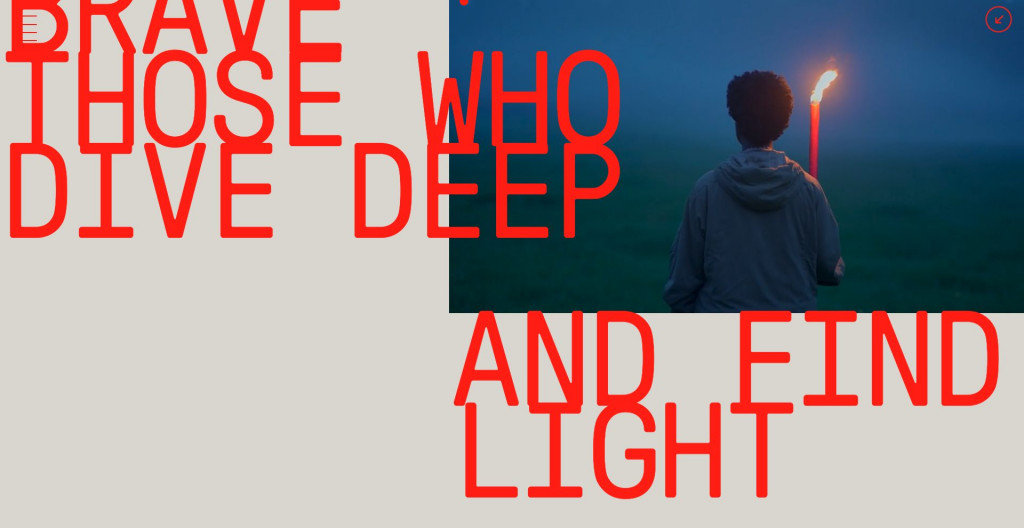
In previous years, typography acted as a supporting element to hero photography and vector illustrations. Web design trends 2026 elevate text to the primary interface architecture. This shift is driven by an aesthetic desire for editorial boldness and an engineering mandate to reduce page weight.
Brands are utilizing viewport-scaled fonts (vw typography) so that a single word stretches from the absolute left edge of the screen to the right. The text is the focal point, removing the distraction of stock imagery.
This is heavily augmented by the total browser support for variable fonts. Designers are shifting toward a dynamic kinetic typography web design strategy:
- Scroll-driven manipulation.
Font weight and width are mapped to the user’s scroll position. Letters organically compress and expand in real-time as the user moves down the page. - The Neo-Serif paired with Monospace.
Premium web experiences are establishing deep contrast by pairing elegant neo-serif headings with data-driven monospace utility fonts for metadata, dates, and buttons. - Subtle motion.
Static headers are becoming obsolete. Text frequently relies on animated text CSS to reveal itself, utilizing subtle marquee scrolls or 3D rotational entrances.
By pushing the brand narrative entirely through dynamic type, UI/UX trends 2026 deliver high-fidelity digital aesthetics 2026 while minimizing server requests.
Is your website slowed down by heavy legacy code and massive images? Fireart runs UX and technical audits to replace bloated UI with high-performance native CSS architecture.
Request a UX AuditTrend 4. The “Bento Grid” Paradox
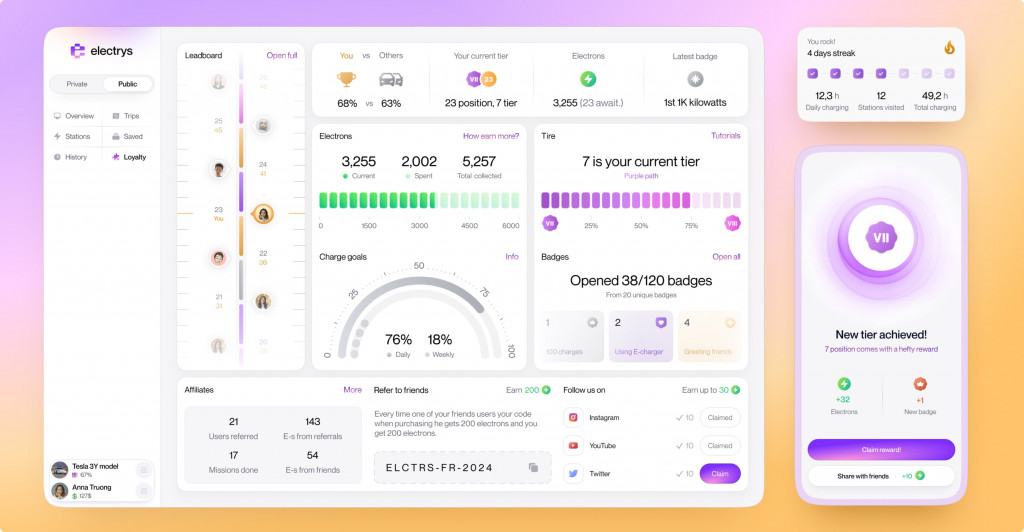
The Bento Grid (or modular block layout) is heavily promoted by major website builders as the definitive architecture for scanning dense information. Visually, it compartmentalizes complex dashboards and portfolios into neat quadrants.
However, ground truth discourse among development communities highlights an operational paradox. While a multi-column Bento Grid looks pristine on a desktop monitor, collapsing those blocks into a single-column mobile view often destroys the page’s narrative flow.
To maintain the design’s integrity, amateur implementations often rely on duplicating the Document Object Model (DOM), building one hidden grid for desktop and another for mobile. This doubles the page weight and ruins load speeds.
To execute bento grid layouts responsibly, professional website design inspiration points to native state-aware architecture. Developers must utilize advanced CSS specifications, such as native masonry via Grid Lanes, to organize these components fluidly. When executed properly on the backend, the Bento block layout delivers supreme information density without triggering a mobile performance penalty.
Trend 5. Machine Experience (MX) and Sustainable UX
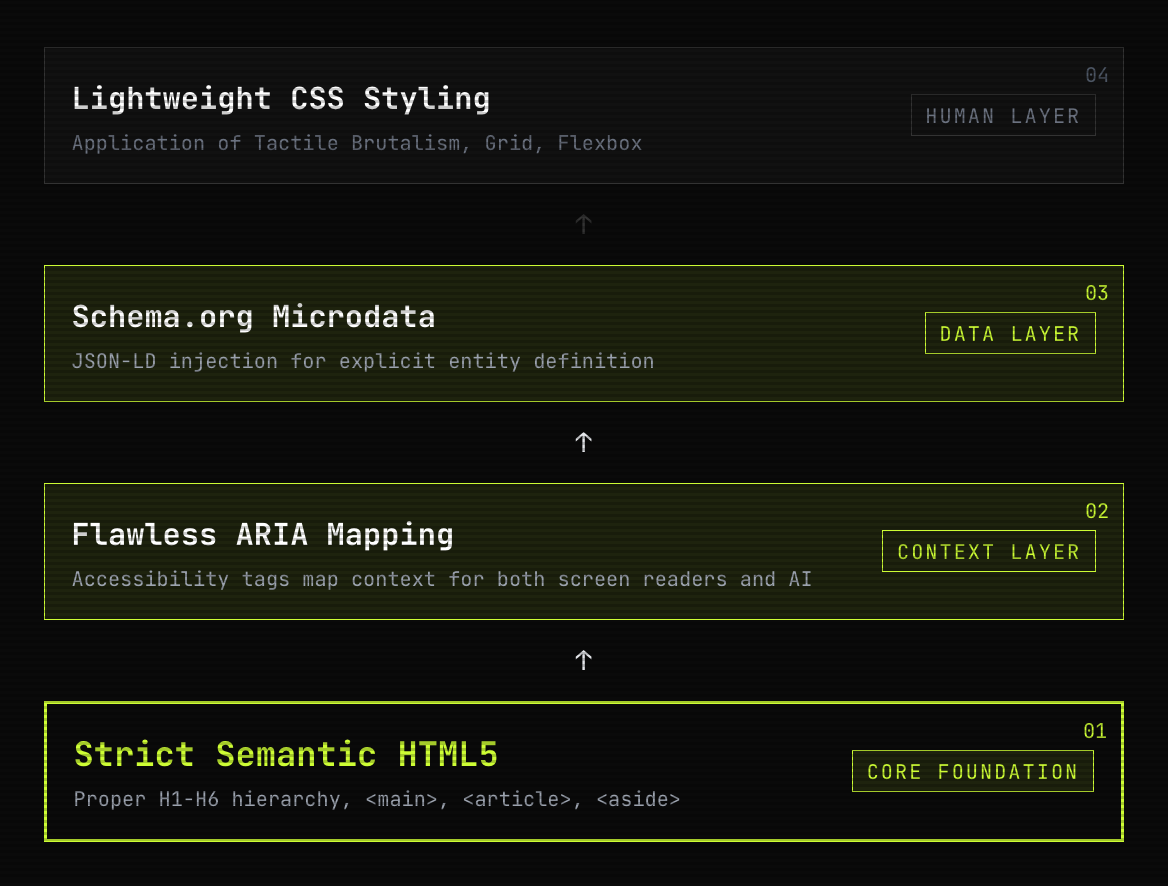
The profound design choices of the year are entirely invisible to the user. They exist within the code structure, optimizing for digital sustainability and the changing mechanics of internet search.
User behavior is shifting from traditional search engines to AI-powered conversational agents (like ChatGPT, Claude, and Perplexity). These Large Language Models (LLMs) do not “see” modern website design aesthetics, but parse raw semantic code. This has formalized a new operational layer: Machine Experience (MX) Design.
If an enterprise site is built with bloated, unsemantic code from a visual drag-and-drop builder, an AI agent cannot interpret the business’s core services. To maintain digital visibility in 2026, high-performance web design requires strict data structures. Component logic, perfect heading hierarchies (H1 to H6), and accurate ARIA labeling are architectural mandates to ensure LLMs correctly cite your brand data.
The Carbon-Aware Interface
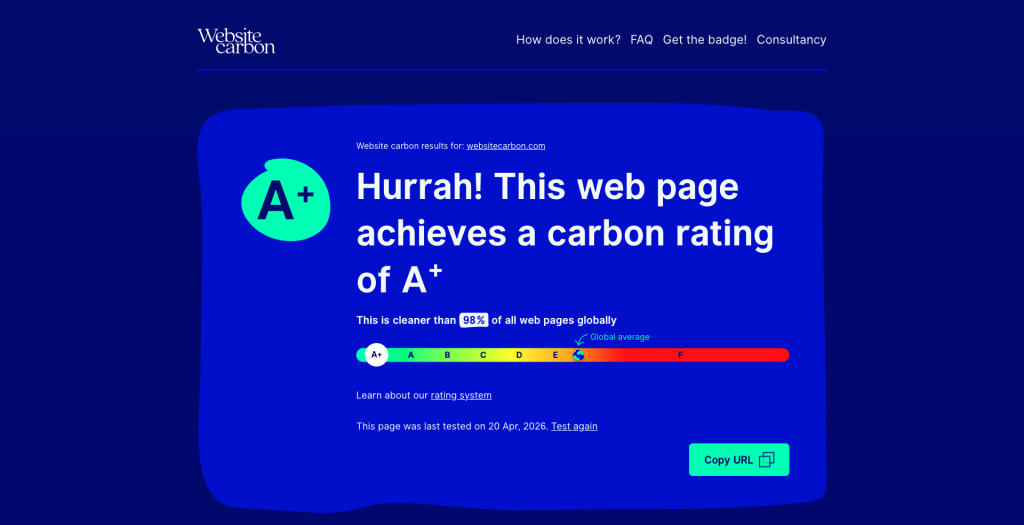
The computational intensity of global AI infrastructure is placing strain on energy grids. Elite agencies are framing frontend efficiency not just as an SEO tactic, but as a critical mandate for digital sustainability.
Developers are enforcing strict data budgets to speed up the interface and lower its carbon footprint.
- Dark-First default states.
Driven by hardware realities, dark mode 2.0 aesthetics are standard. True black (#000000) draws zero power on modern OLED screens. Data shows this saves up to 47% of a device’s battery power during a browsing session. - Vector superiority.
High-resolution photography is being stripped out and replaced by Scalable Vector Graphics (SVG) and pure CSS, reducing server bandwidth consumption.
Conclusion
In an environment where AI instantly generates average layouts, standing out requires extremes. The future of web design lies in human-crafted tactile web materials running on AI-readable foundations.
By executing tactile brutalism web design, stripping away heavy scripts, and embracing kinetic typography web design, you achieve a premium 2026 digital presence. Balance aggressive visual choices with the performance standards, and your design will be a success.
Ready to redesign your digital presence? Fireart delivers interfaces tailored for enterprise scale and advanced search visibility.
Contact us to discuss your architectureFAQ: Web Design Trends 2026
What is the difference between Soft UI and Tactile Brutalism?
Soft UI (or Neumorphism) relies on heavy drop shadows, rounded corners, and low-contrast pastel colors to make elements look like they are floating. Tactile brutalism web design is the opposite; it uses sharp 0px geometry, high-contrast colors, and harsh 1px solid borders CSS to make the interface look raw and engineered.
How do CSS textures improve website performance compared to 3D rendering?
Implementing 3D graphics via WebGL requires heavy JavaScript processing, which quickly drains mobile batteries and lags on older devices. Applying a CSS grain filter or SVG noise overlay fakes the visual depth and feel of physical materials without taxing the browser’s engine.
What is Machine Experience (MX) Design and why does it matter?
MX Design is the practice of architecting website code specifically to be read by AI search agents (like ChatGPT or Perplexity), rather than just human eyes. If your underlying HTML is unsemantic or messy, LLMs will fail to interpret or cite your business data.
How does u0022Dark-Firstu0022 design relate to digital sustainability?
Modern smartphones and laptops use OLED screens, which illuminate pixels individually. A white pixel draws full power, while a true black pixel (#000000) is turned off completely. Utilizing dark mode 2.0 aesthetics as the default UI can save up to 47% of a user’s battery power, reducing the carbon footprint of digital browsing.
Are Bento Grid layouts bad for mobile optimization?
They are excellent for information density on desktops, but they can destroy mobile load speeds if implemented poorly. The mistake is duplicating code to create a separate linear layout for mobile screens. Proper implementation requires using native CSS Grid capabilities to reflow the boxes dynamically.




 Kotlin
  C++
C++  C#
C#  Ruby on Rails
  Java
Java  Firebase
  Python
  Vue.js
  HTML5
HTML5  CSS3
CSS3  Azure
Azure