Digital Product Design Studio

Product design from Fireart gets your users to enjoy your app without even knowing why they love it so much.

Watch ShowreelClose

Our Product Designing Services

What you get: products designed for people, by people. Clients who come to Fireart share a common goal: creating a product that resonates with their audience — and our digital product design and development services are built around that exact goal.

Case Studies

Digital product design is more than just pretty visuals. It’s about solving real problems for real users — exactly how a custom digital product design company should approach every project. We start with audience research, then bring in clean, thoughtful design and smooth development. See how we’ve done it for companies like yours.


Equine

Equine

Equine is an NFT game where players race and breed horses. Fireart was called to create a website and app that is easy to use, even for people unfamiliar with blockchain. The website was built with Next.js and WordPress for straightforward content management.

The web app, made with React, gave players a smooth experience and connected easily to the Cardano blockchain. We also built a mobile app using React Native for iOS and Android. The backend, powered by Express.js, kept everything running fast and updated player wallets in real-time. This led to a 20% boost in returning players, well above industry benchmarks.


“The team provides designs, UI/UX, and other digital product design and development services promptly without sacrificing quality. Professional, reliable, and quick to respond to inquiries, they oversee a smooth workflow.”

Enjoy the process of product design

We at Fireart have a flexible approach to the product design process, as we recognize and respect that you might have a preferred way of doing things. Every client can adapt our design process based on their needs.
Stage 1
chart
Design kick-off
This step marks the formal start of the project's design phase. We equip our team with everything they need and ensure that everyone is aligned with the strategy and project objectives.
Stage 2
user
Draft design
We begin the design process by developing a structure and converting business requirements into a design overview, including information architecture, sitemap, processes, displays, and component inventory.
Stage 3
arrow
Design concept
We investigate how the product may appear and feel; we define its shape, color scheme, and general visual aesthetic. We also describe how the target audience will interact with the product.
Stage 4
Layout
UX design
Time to produce working mock-ups that show the product's whole potential. Wireframes map out how users will browse the site and where they should look for certain content.
Stage 5
SketchLogo
UI design
Based on the ideas created earlier in the process, we begin creating the user interface when the UX portion is finished. Here, we strike the ideal mix between accessibility, utility, and visual appeal.
Stage 6
ThumbsUp
Testing & validation
Testing is an essential component of our design process, and we try to confirm our hypotheses as frequently as early as we can.
Stage 7
Lego
Design system
We build every platform on parts, modules, and segments that can be recreated. So if you later decide to add more elements, this helps cut down on design and development time and expenses.
Stage 8
RocketLaunch
Handover
Perhaps the most important phase where we give our design files to the development team, either yours or ours, to work on. We ensure that this phase goes smoothly and seamlessly and that all of our engineers understand exactly how everything should be put into practice.

Industries we help build products for

As a product design services company, we adapt our approach to the unique demands of each industry we work with.
  • FinTech

    We design custom digital products that feel easy, even when the tools behind them are complex, be it smooth budgeting apps or smart investing platforms your users not only download, but also use.
  • SaaS

    We turn SaaS products into smooth, friendly tools people find useful — with clear flows, clean design, and just the right amount of magic.
  • Healthcare

    We help healthcare brands build apps that are user-friendly and truly helpful, making it easier for people to manage their health and care.
  • Real Estate & Hospitality

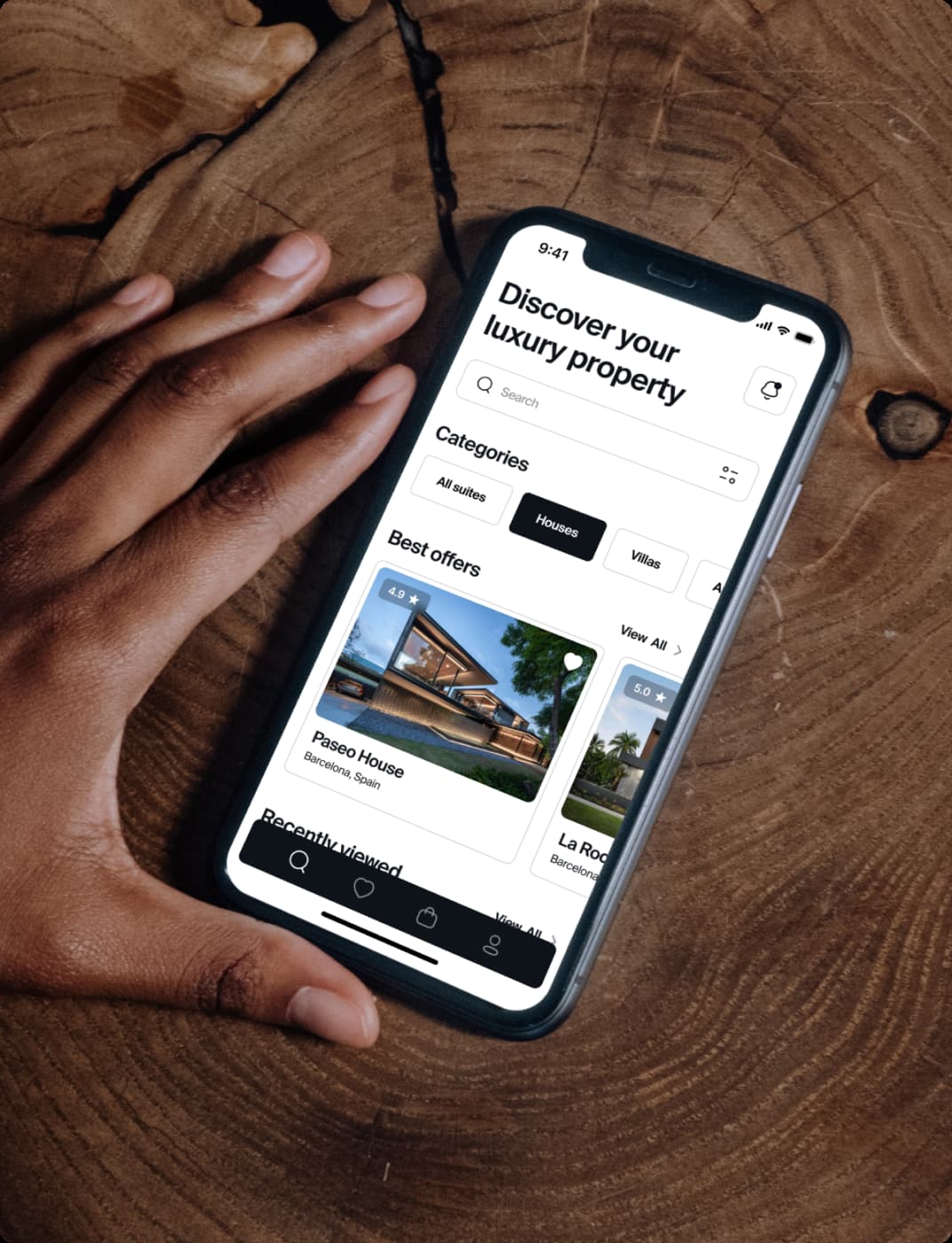
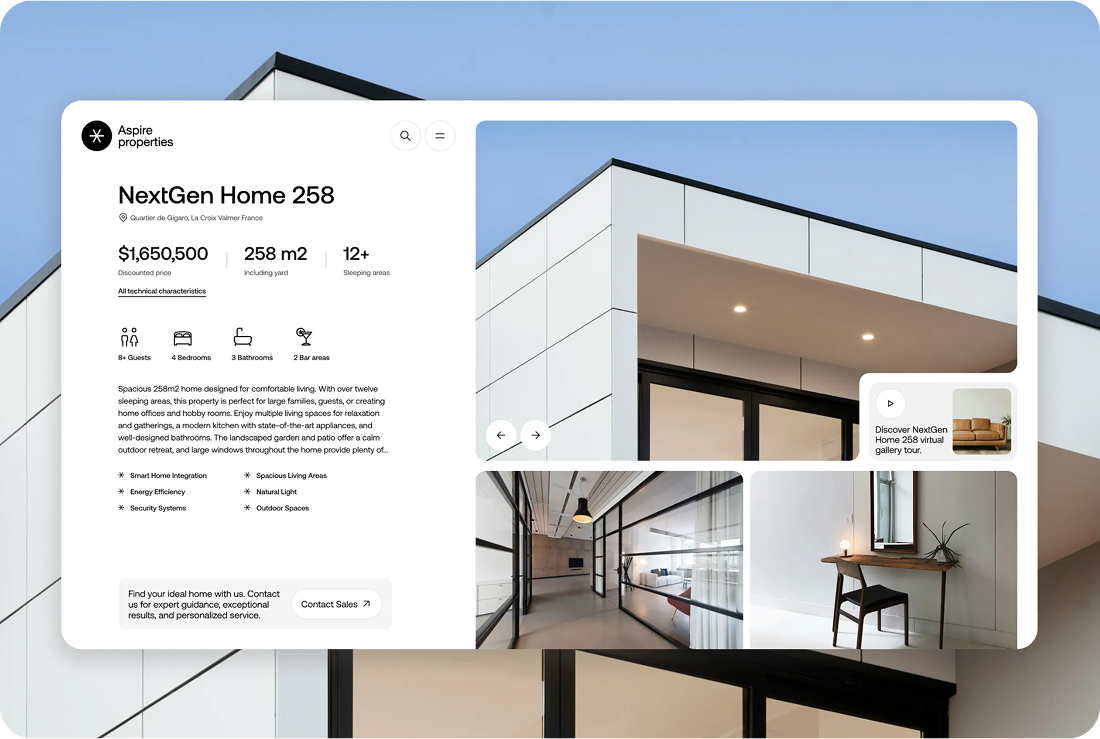
    We design rental and booking platforms that feel like a warm welcome. Easy to use, nice to look at, and ready to move in.
  • E-commerce

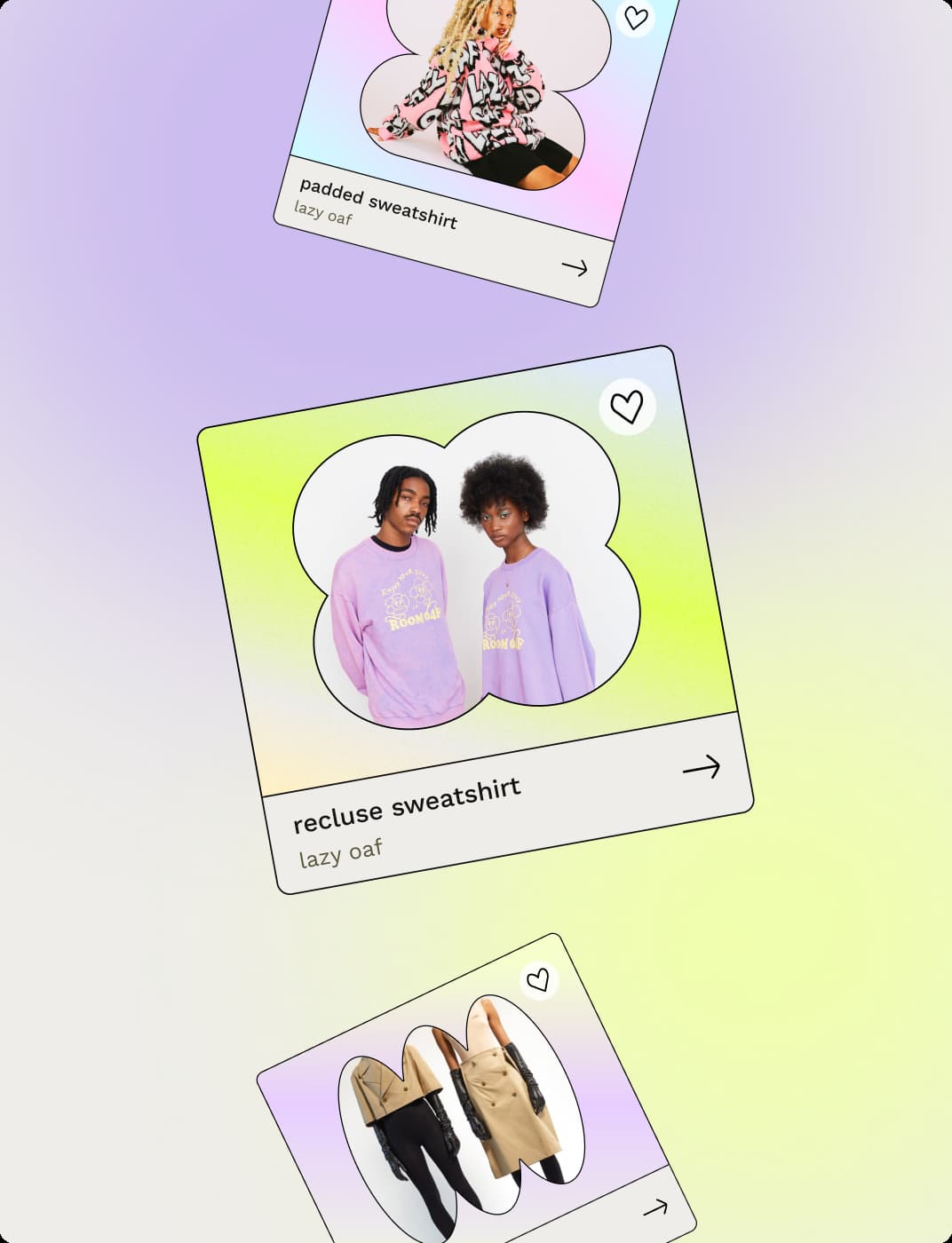
    We turn online shops into scroll-stopping, cart-filling playgrounds. We believe buying stuff should feel as fun as finding it.
Technologies

Why Fireart Studio people stand out in product design development

Fireart designers have contributed to endless product design projects across a wide range of sectors. We are a full-stack team that always stays on top of the latest design techniques and tools; we know all the customer-favorite features in and out, and we can handle any project.

Discovery and scoping

We have worked with numerous products from inception to launch. We’ll help you shape your idea into the market wonder you envision.

Discovery and scoping

UI animation

Remember those little interactions you love so much in user interfaces? We know just the way to sprinkle them onto a web page to make users stay longer and enjoy their time.

UI animation

Product design

We know the nuts and bolts of good product design, starting with proper planning and ending with design tools and methodologies. We’ll consult you from start to finish to craft the product you want.

Product design

Product design team augmentation

Not only do we know product design inside and out, but we also have the best people in the market to take care of everything it includes. Forget about hiring hassles. Tell us whom you need, and get them.

Product design team augmentation

Why do clients choose Fireart over other digital product design studios?

Previous
Next
4.9
Based on 38 reviews
4.9
Based on 38 reviews
testimonials

We really enjoyed working with Fireart! The value, for what we got, was terrific.

Peter Isaacson
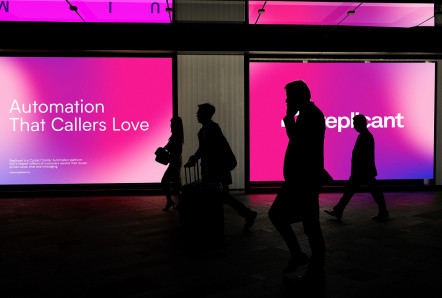
CMO, Replicant

Fireart Studio’s resources have done a fantastic job of using user research input to create excellent UI/UX designs, ultimately contributing to the client’s product development endeavors. The team excels at taking ownership of projects, and they’re helpful, knowledgeable, and receptive to feedback.

Matthew Law
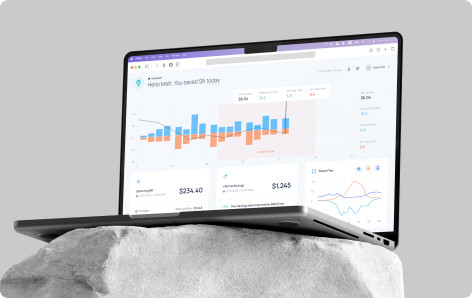
Director of UI/UX, Revionics • Retail Technology Co

This work cadence has helped us create better projects and products because we’re tightly coupled with Fireart Studio.

Matthew Jewell
VP of Product Design • Sports Media Company
testimonials

We were successful in getting an MVP. Our team wasn’t exactly looking for users or any numbers — we were simply validating plenty of ideas. With Fireart’s help, we’d done that. This project was successful.

Pablo Corredor
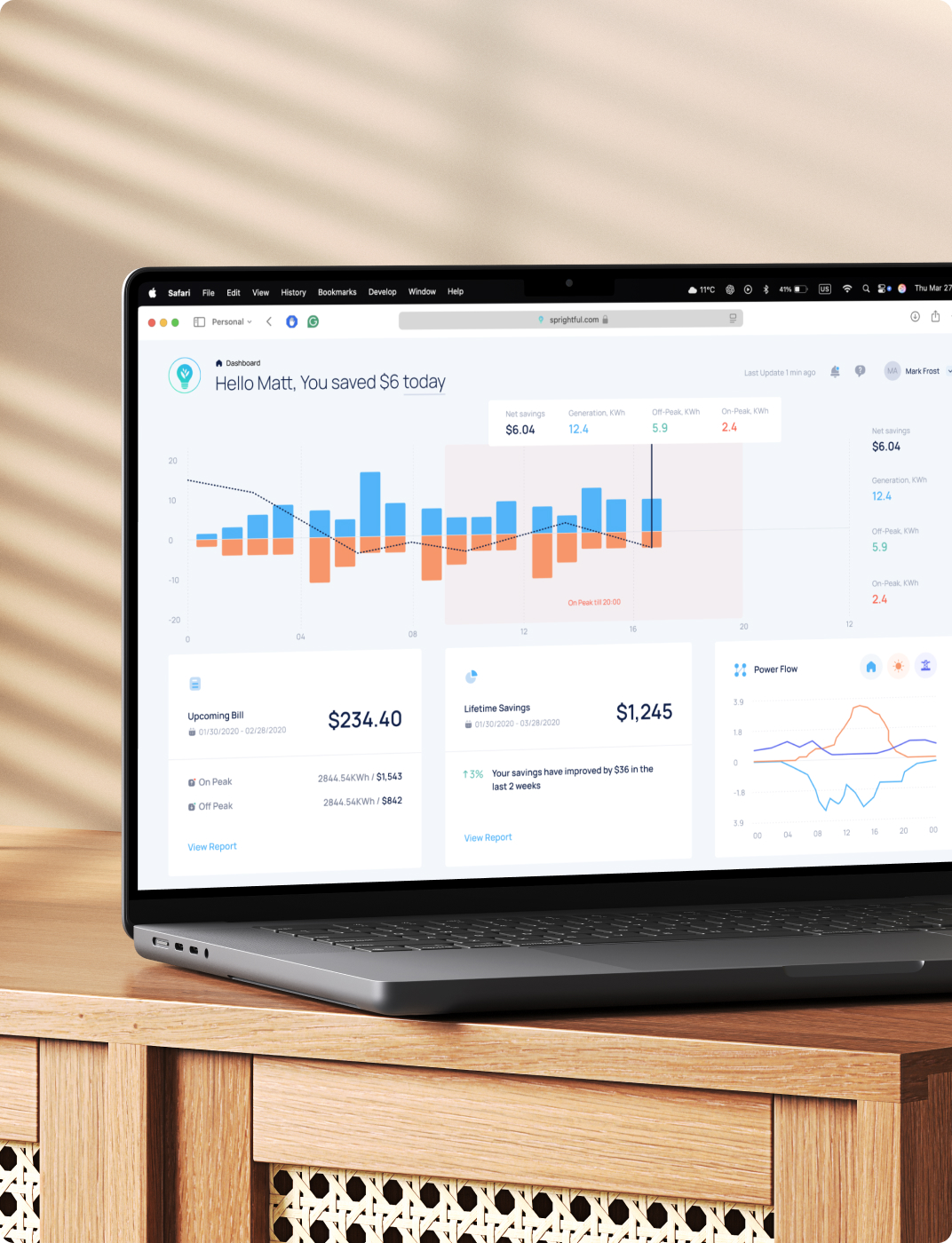
CEO of Sprightful

What we found most impressive was their creativity, project management, and professionalism in delivering what’s needed. I did not encounter any areas of improvement as they were very professional and responsive.

Head of Marketing
CFI Financial Group
Finance Dashboard

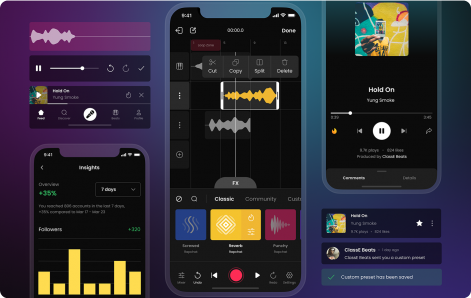
Thanks to Fireart Studio’s efforts, the app has achieved 15 million downloads, and new product launches have generated more engagement. The team has delivered on time and within budget, communicating via virtual meetings, emails, and messages. Their high-quality work is impressive.

JJ Oslund
COO, Rapchat • Music Production App
01 1

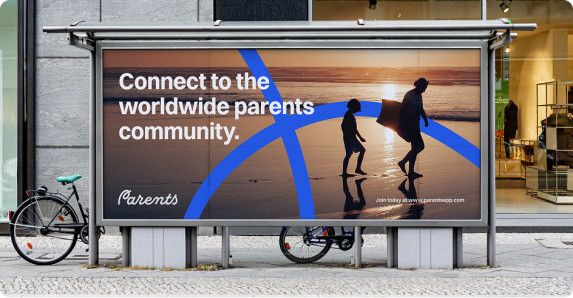
We are deeply grateful to the Fireart team for their contribution to our project’s success. Their dedication and creative approach to UI/UX design, branding, and illustration have been instrumental in our journey. Fireart has become a reliable partner for us, and we look forward to continuing our collaboration.

The All About Parenting Team
*

“The Fireart Studio team was very creative and they think outside the box.”

Marcus Hendrikson
VP of Product Design • Sports Media Company
Let’s craft the perfect product for your future fans

Find answers to all your mobile app development questions in our blog

Explore our blog
photo-1577918285732-0ddce6230a88

10 Key Features of Successful Mobile Apps

In this article, our mobile app development team will share 10 characteristics of mobile application development that work for each type of business or industry.  Investing in mobile app development for startups, every business owner expects to launch an application that will meet skyrocketing succe...

Michal Kapias
Michal Kapias Chief Technology Officer
App Development Books to read

The 15 Best App Development Books of 2026

The mobile applications market is constantly growing in terms of the number of apps and generated revenue. For instance, over 2.09 million apps were available in the Apple App Store as of the start of 2026. And this number doesn’t include hundreds of thousands of mobile games. Moreover, this trend s...

Michal Kapias
Michal Kapias Chief Technology Officer

FAQ

Do you have questions about product design? We might very well have an answer below:

Does your digital product design agency also provide product development?

Fireart is a full-cycle studio, which means we can take a product from early UX research all the way through UI design, prototyping, design system creation, and into development – without you having to coordinate between separate agencies. Our design and development teams work together from the start, which means fewer handover gaps, faster iteration, and a final product that actually matches what was designed. If you already have an in-house development team, we can work alongside them: we deliver clean, developer-ready files and stay available during implementation to answer questions and resolve interpretation issues. Either way, nothing falls between the cracks.

How do you build a product roadmap and make sure it reflects both business goals and user needs?

A roadmap that only reflects business priorities tends to produce features users don’t need. One that only reflects user feedback can lose sight of commercial viability. Our process is designed to hold both in tension from the start. We open every project with stakeholder workshops to understand your business objectives, success metrics, and constraints – what needs to be true for this product to win. In parallel, we conduct user research to understand real behavior, frustrations, and goals, not assumed ones. From there, we map features against a prioritization framework: what delivers the most user value while moving the business forward? The roadmap that comes out of this is iterative, not fixed. As we test and learn, we adjust. You stay involved at every decision point, so there are no surprises when the product ships.

How do you decide whether to build a design system from scratch or adapt an existing one?

The decision comes down to three factors: the uniqueness of your brand, the scale of the product, and the timeline. If your product needs a strong, distinctive visual identity – something that wouldn’t feel right built on Material Design or Ant Design conventions – a custom system is almost always the right call. It takes longer to build, but it gives you full control over every component and ensures your product feels cohesive rather than generic. If you’re working within tighter timelines or building an internal tool where brand differentiation matters less, adapting an established system is faster and still produces solid results – we’ll customize it enough to feel intentional. For early-stage products and MVPs, we often recommend starting with a lightweight adapted system to ship faster, then evolving toward a custom system as the product matures. We’ll give you a clear recommendation after the initial scoping call once we understand your priorities.

How do you measure whether the design is actually working?

We establish the success criteria at the start of the project, not at the end. Before design work begins, we work with you to define what “working” looks like for your specific product and business goals. The metrics we focus on typically fall into two categories. Outcome metrics – the ones that tell you the design is delivering value – include conversion rates, task completion rates, retention, session depth, and user error frequency. These are the numbers that move your business. Process metrics – which help us validate design decisions earlier – include usability test scores, heatmap patterns, and prototype feedback during testing phases. We don’t track everything; we track what’s relevant to your goals. Progress against these metrics is included in our regular reporting, and if something isn’t moving in the right direction, we treat that as a design problem to solve – not a number to explain away.

What does a good design handover to developers look like?

Handover is where a lot of design projects quietly fall apart – designs that look great in Figma end up implemented inconsistently because the documentation is thin or the developer hand-off is a single file drop. We treat handover as a phase, not an event. By the time we hand over to your development team (or ours), every component is documented in the design system with clear specs: spacing, states, breakpoints, interaction behavior, and edge cases. We annotate designs for anything that isn’t self-evident, and we hold a dedicated walkthrough session with the developers to go through the logic together. After that session, we stay available during the build phase to answer questions and review implemented screens against the designs. The goal is that your developers spend their time building, not guessing.

How long does a product design project typically take?

It depends on the scope, but to give you a realistic range: a focused MVP design – covering core user flows, UI design, and a basic component library – typically takes 6 to 10 weeks. A more complete product design engagement, including UX research, full design system, and multiple platform coverage (web and mobile), usually runs 12 to 20 weeks. We’ll give you a specific timeline estimate after our initial scoping call, once we understand what you’re building, what already exists, and how involved your team wants to be in the process. We’re also experienced working within fixed deadlines – if you have a launch date, we’ll design the scope to fit it rather than tell you it can’t be done.

What does your product design process look like from kickoff to delivery?

We follow a structured eight-stage process, though we adapt it to fit your product’s maturity and your team’s working style. We start with a design kickoff to align on objectives, then move through draft design (information architecture, sitemaps, component inventory), design concept (visual direction and feel), UX design (wireframes and user flows), UI design (the full visual interface), and testing and validation. After that, we build the design system and complete the developer handover. Each stage has defined outputs and a review point with you, so you’re never waiting weeks to see what’s been produced. For earlier-stage products, we can compress some stages or run them in parallel to accelerate delivery.