

When examining the latest UI UX design trends 2026, one reality stands out: AI can now generate a pixel-perfect user interface in seconds. This has commoditized the production of visual UI, shifting the designer’s role from a maker of screens to an architect of trust.
The most important UI/UX design trends for 2026 are not aesthetic. They are systemic shifts in how we build human-centric products in an increasingly synthetic world. The future of UX design will be defined not by how an interface looks, but by how it behaves, who it includes, and whether users can believe what they see.
At Fireart, we see this as an opportunity. Increased productivity allows us to focus on what AI cannot replicate: deep user research, strategic judgment, and ethical oversight. This is where real value is created.
This guide moves beyond lists of visual styles. We will analyze the core business, psychological, and technological drivers that are reshaping digital product design in 2026.
Article highlights
- AI has commoditized UI production, shifting the designer’s value from pixel-pushing to strategic judgment and user research.
- User trust is at an all-time low. Designing interfaces that visibly prove their authenticity is now a critical UX discipline.
- As AI generates perfection, “digital grunge” and other human-centric aesthetics are emerging as premium signifiers of authenticity.
- Global regulations like the European Accessibility Act are forcing accessibility and neuro-inclusive design to the forefront of every product roadmap.
Table of Contents
In an era of AI-generated noise, human-centric design is your competitive advantage. At Fireart we help build trustworthy and humane products.
Explore our Product Design ServicesThe new foundation: commoditization of UI
The biggest shift in digital product design in 2026 is that AI is a producer now. The manual assembly of interfaces, once the domain of skilled designers, is now being automated.
Trend 1: Generative UI & AI co-pilots
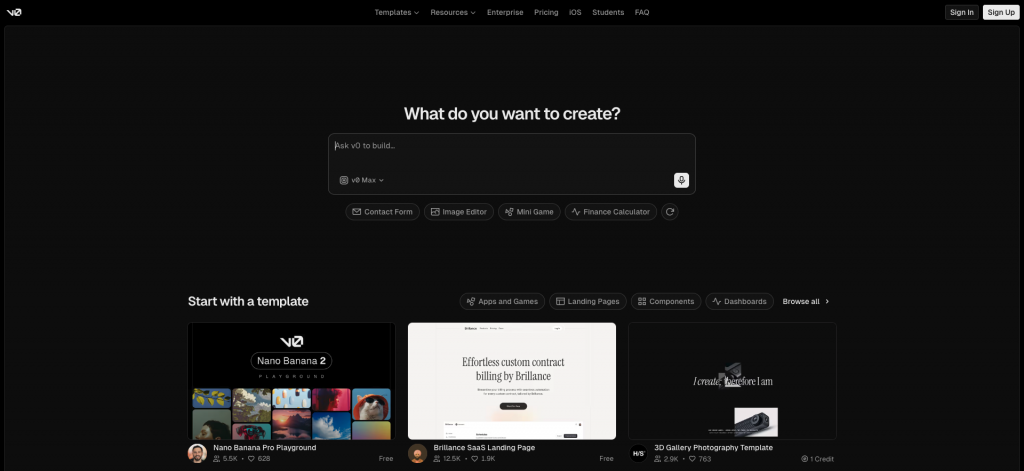
Generative UI is a paradigm where AI builds interface components on the fly based on a simple text prompt. Tools like Vercel’s v0 can turn the command “create a pricing page with three tiers and a toggle for annual billing” into functional code in seconds. This has fundamentally accelerated app design trends 2026, collapsing development cycles from weeks to minutes.
This AI-driven user experience allows teams to prototype and iterate at an unprecedented speed. Instead of waiting for mockups, product managers can now visualize ideas almost instantly, making Automated UI design the new baseline for rapid development.
However, this velocity comes with a risk. We are seeing a rise in what practitioners call “Frankenstein” UIs – interfaces that are technically functional but lack a cohesive user-centered strategy. They are a collection of perfectly assembled components that solve no real problem.
This happens because generative tools are excellent at creating *what* you ask for, but they have no understanding of why you are asking for it. They automate the creation of screens but skip the critical human validation steps of UX research 2026-style and usability testing.
In 2026, the value of a design team is in its capacity to provide the strategic judgment that AI lacks.
The human-centricity: trust and inclusion
As AI automates the “what” of UI production, the future of UX design is shifting to the “why.” Diving into the latest UI UX design trends 2026 reveals that the most critical shifts are about architecting for human needs in a world saturated with synthetic content.
Trend 2: Designing for trust
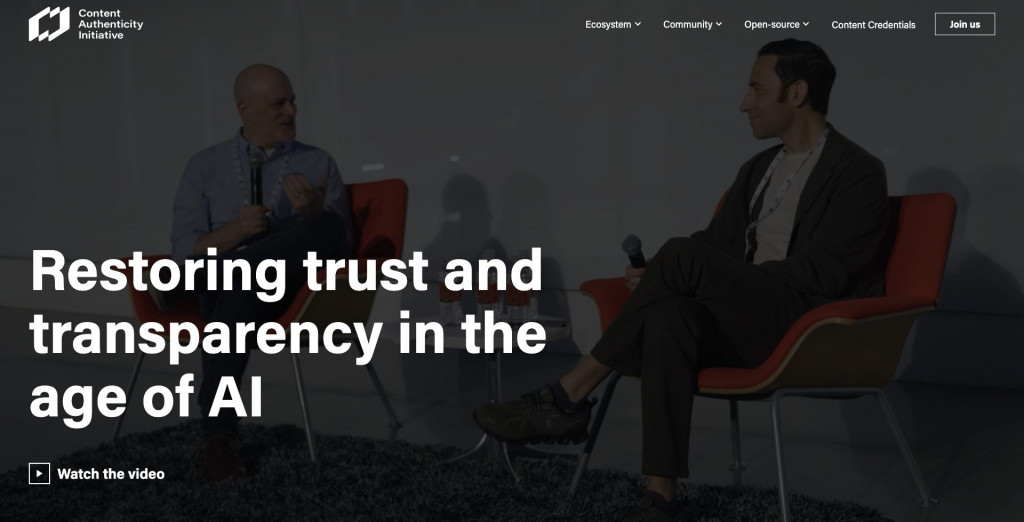
The flood of AI-generated content and deepfakes has created a “hesitation reflex” in users. According to Accenture, nearly half of consumers consistently question the authenticity of the digital information they see. Trust now must be proven.
This has given rise to digital provenance as a core UX discipline. It’s about designing interfaces that visibly demonstrate their authenticity and a key feature of proactive user interfaces.
How to implement it:
- Label AI-generated content.
A simple “Written with AI assistance” or a small icon builds transparency. - Cite your sources.
If an AI provides a factual claim, it must include a clickable citation that links to the source document. - Show your work.
For complex AI decisions, provide a simplified “reasoning” trail that explains how the system reached its conclusion.
Trend 3: Neuro-inclusive UX
Accessibility is no longer a “nice-to-have.” Global mandates like the European Accessibility Act (EAA), which reached full enforcement in 2025, have made it a hard legal requirement.
The focus is now shifting from basic WCAG compliance to deep cognitive accessibility. This means creating interfaces that accommodate diverse cognitive functions and sensory needs, such as ADHD, autism, and anxiety. This practice of neuro-inclusive design is a market imperative, as neurodivergent individuals represent 15-20% of the population.
How to implement it:
- Provide a “Focus Mode.”
Allow users to toggle off distracting animations, auto-playing videos, and non-essential UI elements. - Reduce cognitive load.
Use clear headings, simple sentence structures, and predictable navigation. - Offer customizable typography.
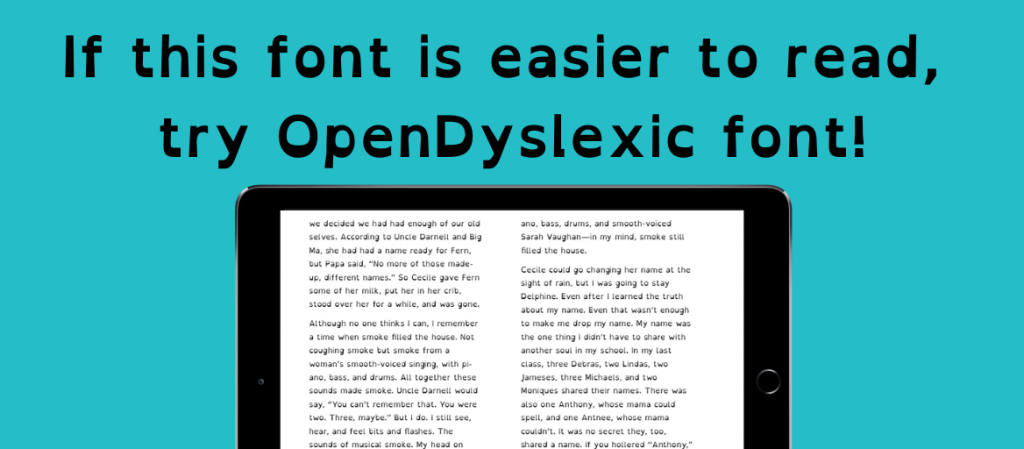
Include options like the OpenDyslexic font for users who need it.
An inclusive UX design that reduces friction for neurodivergent users is fundamentally a better, more usable design for everyone.
Trend 4: Sustainable UX
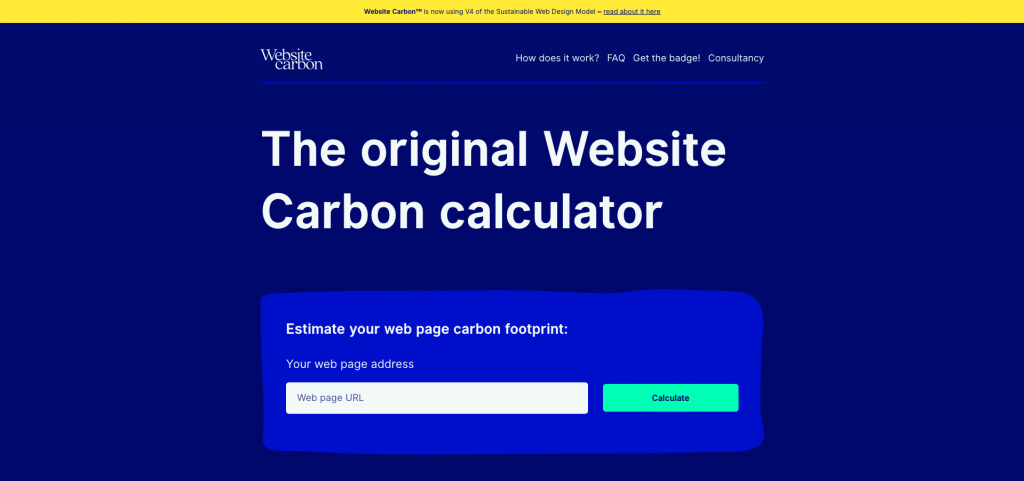
The digital world has a physical cost. The internet’s carbon footprint now exceeds that of the aviation industry, and the energy demands of generative AI are accelerating this impact. Sustainable UX architecture is a design practice focused on minimizing this environmental cost.
A low-carbon web design is inherently faster, more efficient, and more accessible.
How to implement it:
- Reduce data weight.
Replace heavy video backgrounds with lightweight CSS gradients. Use efficient image formats like WebP. - Use system fonts.
Avoid loading heavy custom web fonts when native system fonts will do. - Implement a default dark mode.
On OLED screens, dark mode uses significantly less energy, which prolongs device battery life.
In 2026, green UX design is a direct indicator of technical elegance. It leads to faster load times, lower server costs, and a better experience for users on older hardware or in low-bandwidth regions.
Unsure if your current digital product meets 2026 accessibility requirements? A UX audit can identify compliance gaps and optimize your app for sustainable performance.
Request a UX AuditThe new aesthetics: human touch
As AI democratizes visual perfection, a fascinating counter-movement is emerging. The most forward-thinking web design trends 2026 are not about looking more high-tech; they are about feeling more human.
Trend 5: Digital grunge
When hyper-polished visuals can be generated by a machine in seconds, “perfection” becomes cheap. As a result, we are seeing a strategic rebellion against algorithmic sterility. UI/UX design trends are embracing what the industry calls “digital grunge” – an aesthetic that champions human imperfection.
This trend is a powerful tool for building trust. Raw textures, rough brushstrokes, asymmetrical grids, and deliberately “ugly-cool” elements signal that a real person, with a distinct point of view, authored the interface.
How to implement it:
- Incorporate hand-drawn elements.
Use sketchy illustrations, doodles, or handwritten-style fonts to add personality. - Use raw textures.
Instead of clean gradients, experiment with paper, film grain, or concrete textures in backgrounds. - Break the grid.
Deliberately misalign elements to create a more organic, less rigid layout.
In 2026, the user interface design future will see these imperfections treated not as mistakes, but as premium signifiers of authentic human craft.
Trend 6: Spatial computing interfaces

Driven by spatial computing hardware like the Apple Vision Pro, the glassmorphism or “liquid glass” aesthetic continues to influence immersive UX design. It uses multi-layered translucent panels and dynamic blurs to create a sense of depth and context within a 3D space.
However, unlike other trends, this one faces significant pushback from frontline practitioners. While visually impressive, it often creates user experience predictions of failure in real-world applications for two reasons:
- The low-contrast text and blurred backgrounds frequently fail WCAG legibility standards, creating an unusable experience for individuals with visual impairments.
- The complex rendering required can slow down interfaces and drain device battery life, conflicting with the move toward sustainable UX architecture.
How to implement it (safely):
- Test rigorously.
Ensure all text on translucent backgrounds meets a minimum WCAG AA contrast ratio. - Provide a fallback.
Always offer users a toggle to switch to a high-contrast, opaque version of the interface. - Monitor performance.
Profile the UI to ensure the blur effects do not cause lag or excessive battery consumption.
Conclusion
The future of UX design is not about pixels. As AI and automation absorb the manual production of user interfaces, the designer’s role has shifted from an artist to an architect.
The latest UI UX design trends 2026 are not fleeting visual styles. They are foundational strategies for building trust in a synthetic world, building inclusive design, and orchestrating complex, intelligent systems.
In 2026, the real work of design begins where the AI’s capabilities end.
Fireart’s engineering and design teams are ready to help you build a product that will represent the future of UX
Contact Fireart todayFAQ: Common Questions About Modern UX Design
Is AI going to replace UX designers?
No. AI is replacing the tedious tasks of UI production. This elevates the designer’s role, freeing them to focus on higher-value strategic work that AI cannot perform: deep UX research, complex problem-framing, ethical oversight, and stakeholder alignment.
How do I balance flashy trends with accessibility?
Follow the u0022compliance firstu0022 rule. A trend like glassmorphism is only viable if it passes WCAG contrast ratios and doesn’t degrade performance. A beautiful design that excludes 15% of your potential users is a failed design. Prioritize inclusive UX design as a non-negotiable baseline.
What's the business case for investing in sustainable UX?
It provides a direct and measurable ROI. A low-carbon web design leads to faster load times (improving SEO and user retention), lower server hosting costs, and an expanded market reach to users on older devices or in low-bandwidth regions.
What is u0022machine experience (MX) designu0022?
MX is designing your website not just for human eyes, but for the AI agents that crawl and interpret the web. It involves structuring your site’s content with clean, semantic code so AI can understand your brand and represent it accurately in search summaries and generative outputs.




 Kotlin
  C++
C++  C#
C#  Ruby on Rails
  Java
Java  Firebase
  Python
  Vue.js
  HTML5
HTML5  CSS3
CSS3  Azure
Azure