
With the help of AI, we are entering an era of sameness. Generated templates and boilerplate copy make the average website look identical to thousands of others.
Standing out requires a break from the mundane. Modern website design needs architectural decisions that make it look unique from the start.
At Fireart, we view web design as a synthesis of cognitive psychology, engineering, and business strategy. In building digital product design systems of any size, the goal is to balance functional performance with visual language.
Article highlights
- Top-tier design execution historically correlates to revenue growth for enterprise companies.
- Architectural shifts like Design Tokens solve technical debt and ensure visual consistency across platforms.
- The rise of Generative UI renders one-size-fits-all web pages obsolete.
- Industry experts abandon scrolljacking and auto-playing media to prioritize core performance vitals.
Table of contents
Tired of an online presence that blends in? Let our design team build a high-performance experience
Explore Web Design ServicesWhy modern website design matters more than ever
It’s simple – because design directly impacts financial returns. Data proves that high-performance, frictionless interfaces yield immediate financial returns.
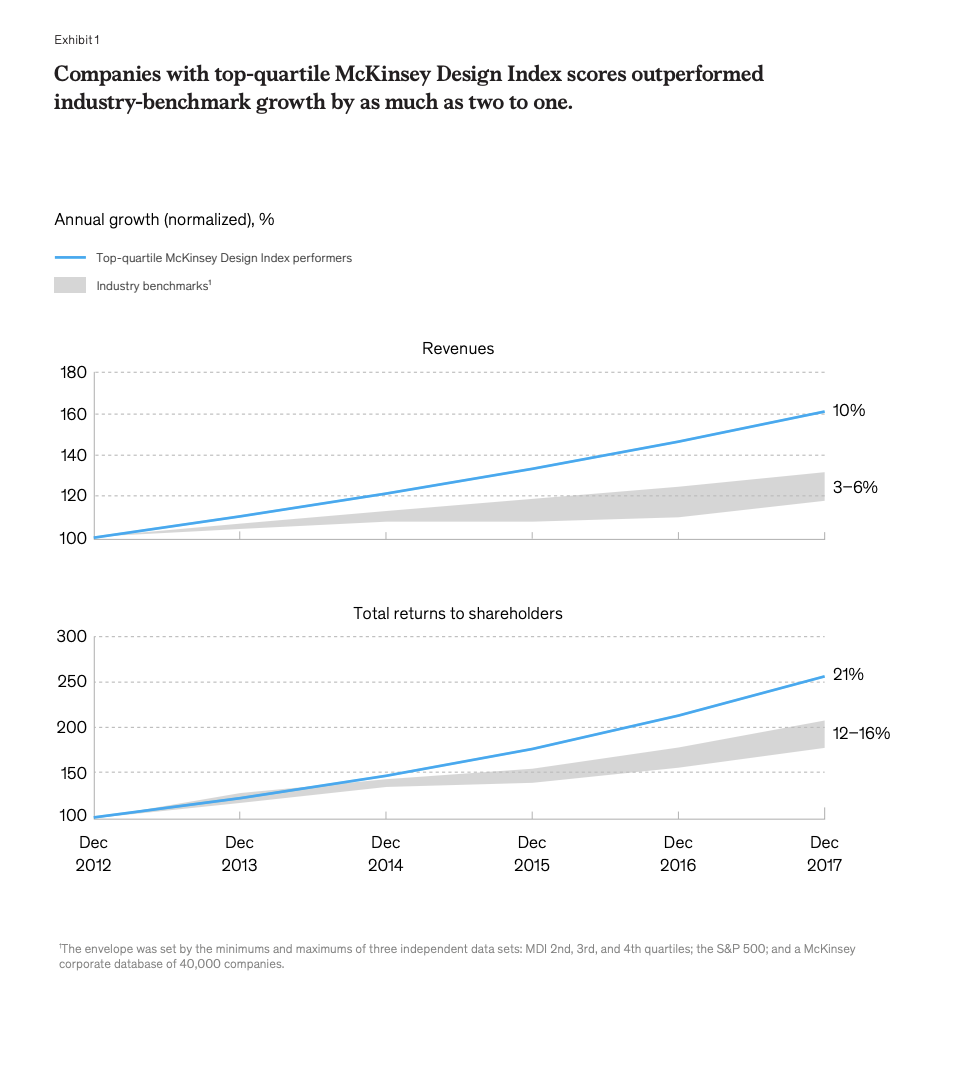
Data confirms that speed, accessibility, and mobile-first design dictate financial velocity. Resolving usability issues in e-commerce flow optimization yields a 35% conversion rate lift. For a mid-market retailer, that translates to millions in recovered sales.
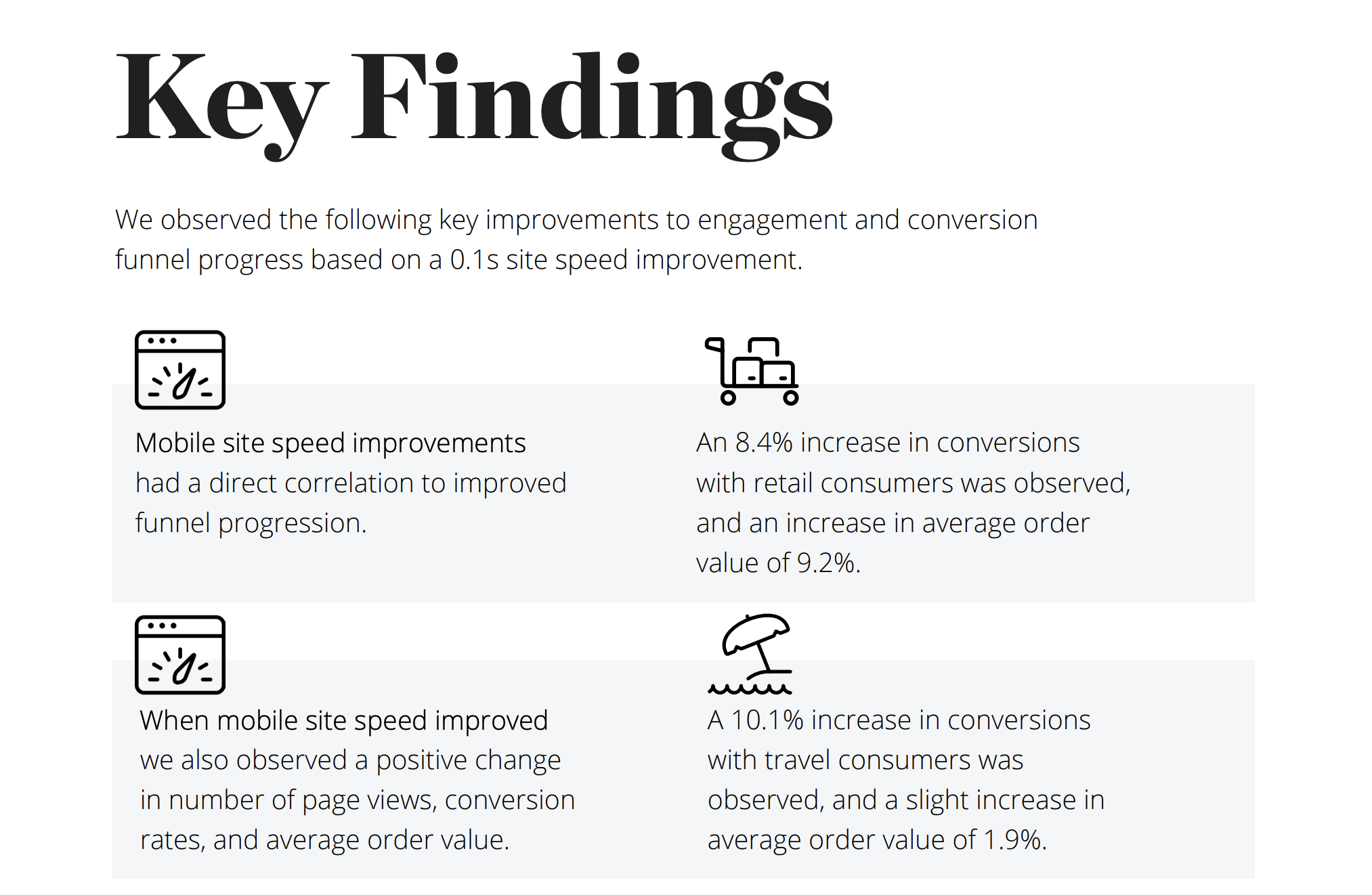
Beyond checkouts, technical baseline metrics dictate financial velocity. In the famous “Milliseconds make millions” report Google and Deloitte research highlighted that a 0.1-second decrease in mobile load speed results in an 8.4% lift in conversions.
Users process visual competence as organizational competence. When a digital product struggles with basic layouts, the user instinctively loses trust. Implementing modern web design trends helps your retention.
11 Elements of modern website design that define today’s best websites
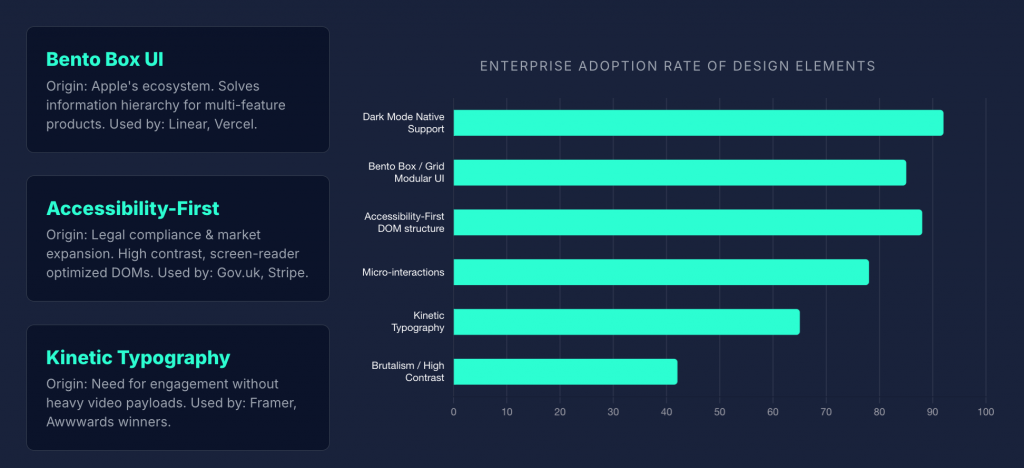
Enterprise adoption rates reveal that the best web design trends – like Bento UI architectures and negative contrast defaults – are foundational features for scalability.
Let’s look at best web design trends across eleven vectors in 2026.
1. Responsive design across all devices
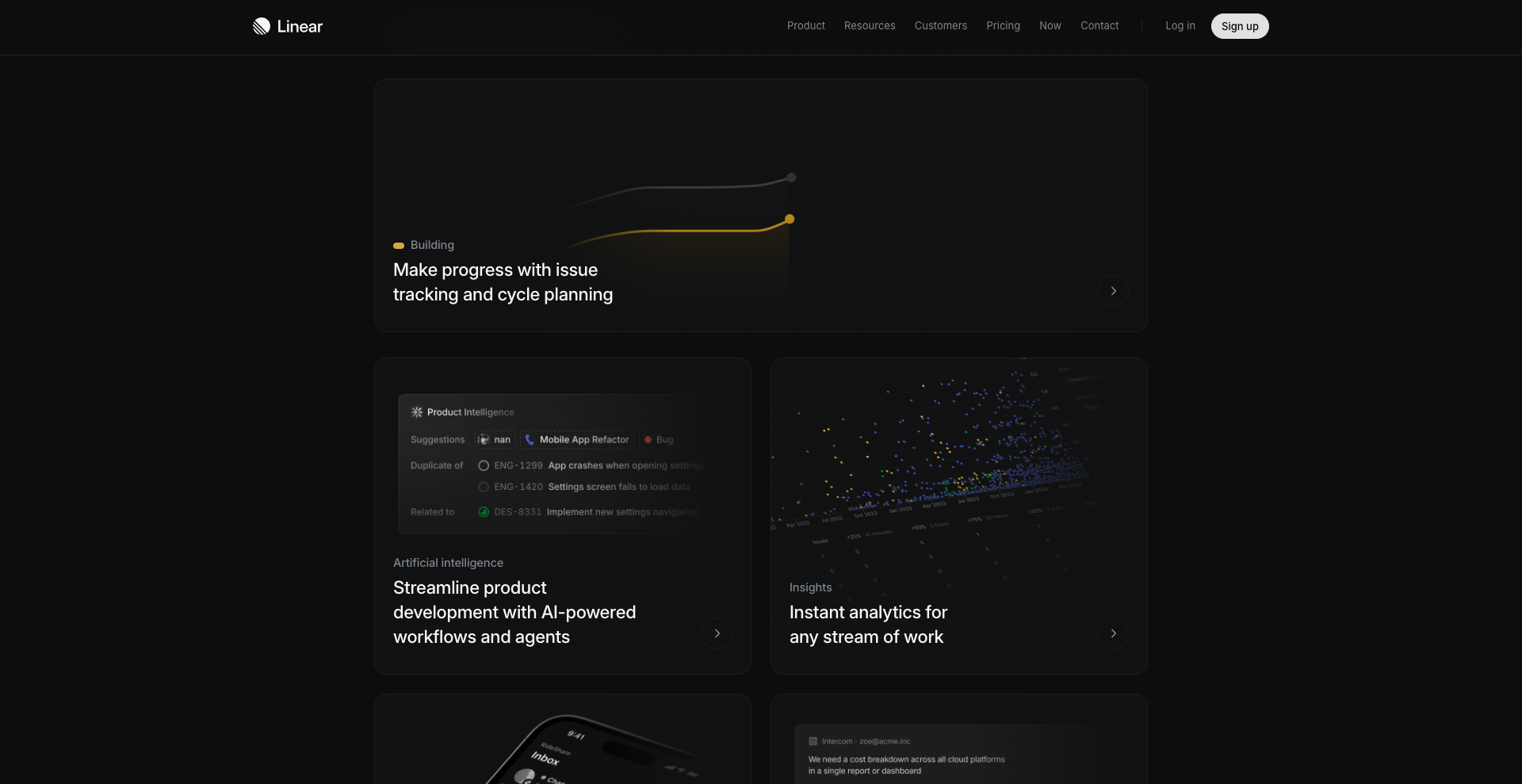
Bento Box grid system displays dense data without causing cognitive overload. Derived from Japanese lunchboxes, this architecture compartments information into independent, scannable modules. It supports responsive web design because these blocks gracefully reflow and stack.
Responsive layouts shift from ultra-wide monitors to constrained mobile viewports, executing mobile-first design by keeping dashboards structured and visually accessible.
2. Clear visual hierarchy
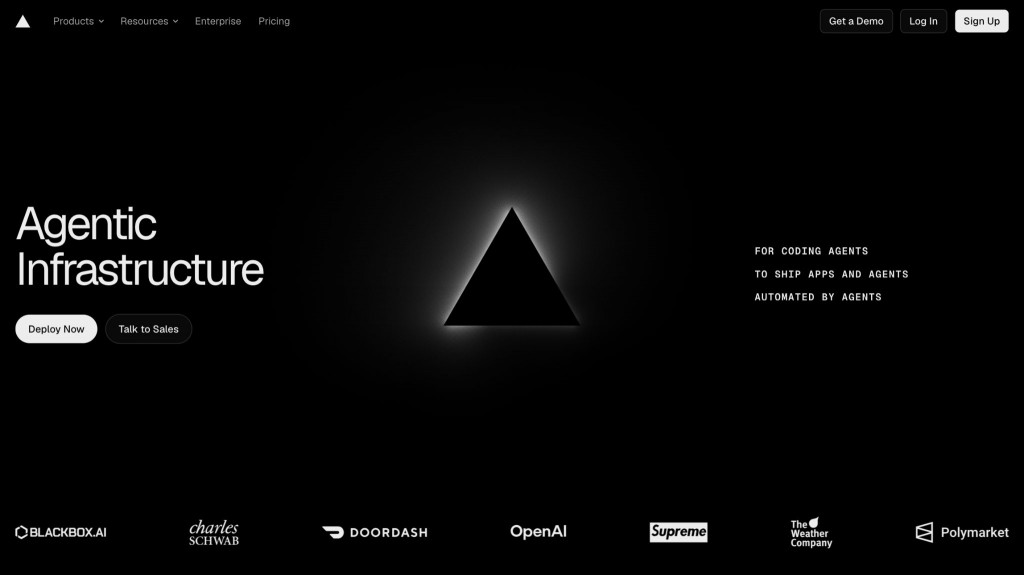
Business leaders scan. Structuring a clear visual hierarchy requires embracing the TL;DR experience. Modern website design principles front-load business intelligence, like transparent pricing and core integrations, into above-the-fold overview modules.
An interface that resembles an executive pitch deck reduces friction and allows decision-makers to grasp the value proposition faster.
3. Clean and minimalist interfaces
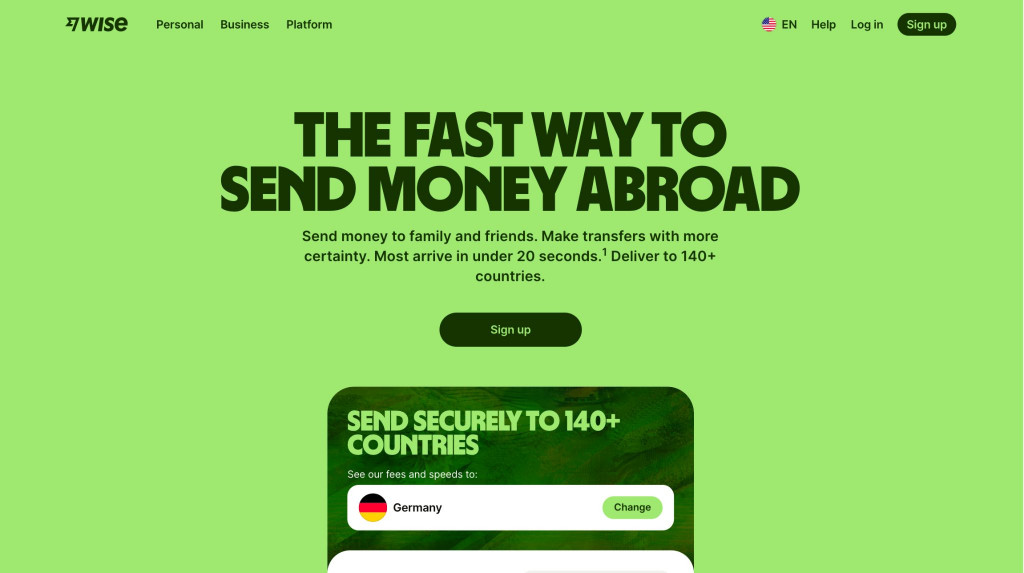
As generative AI floods the internet with text, radical brevity emerges as a premium design choice.
Contemporary web design utilizes strict minimalism and white space to serve user’s depleted attention span. By allowing design to carry the message, brands signal human intention, cutting through the algorithmic noise.
4. Strong typography systems
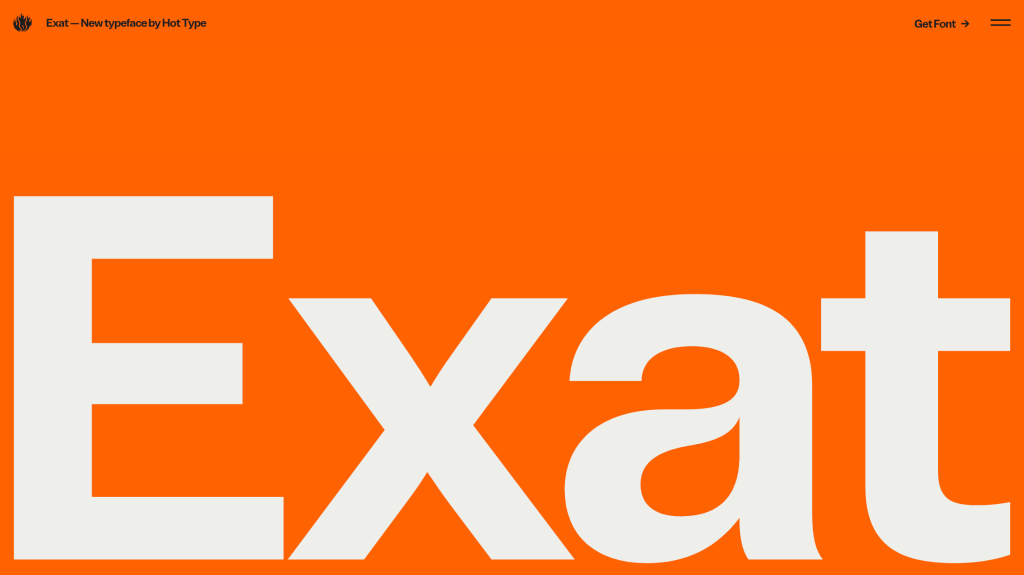
The best modern website examples treat typography as an active, interactive element. Kinetic text treatments where copy shifts in weight, morphs on hover, or writes itself upon scrolling, capture our attention.
| ️Relevant case study to read: Financial platform redesign increases user engagement by 25% |
Built into a system maintaining design consistency, these micro-moments enhance readability and look fun without heavy load of video assets.
5. Intuitive navigation
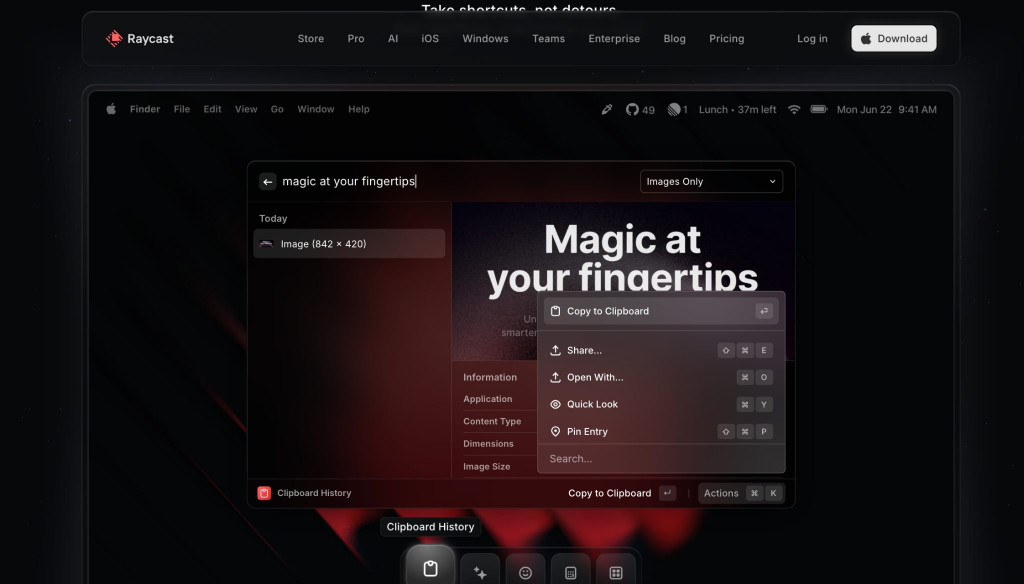
Intuitive navigation in modern website user experience shifts toward intent-driven, conversational search architectures.
User-centered design allows procurement officers to directly input their specific requirements into a semantic search interface. The platform dynamically reshapes its content to present only the exact product specifications or pathways needed, accelerating task completion and the sales cycle.
Looking for an interface that drives results? Fireart creates intuitive digital products optimized for growth.
Explore Product Design Services6. Accessibility and inclusive design
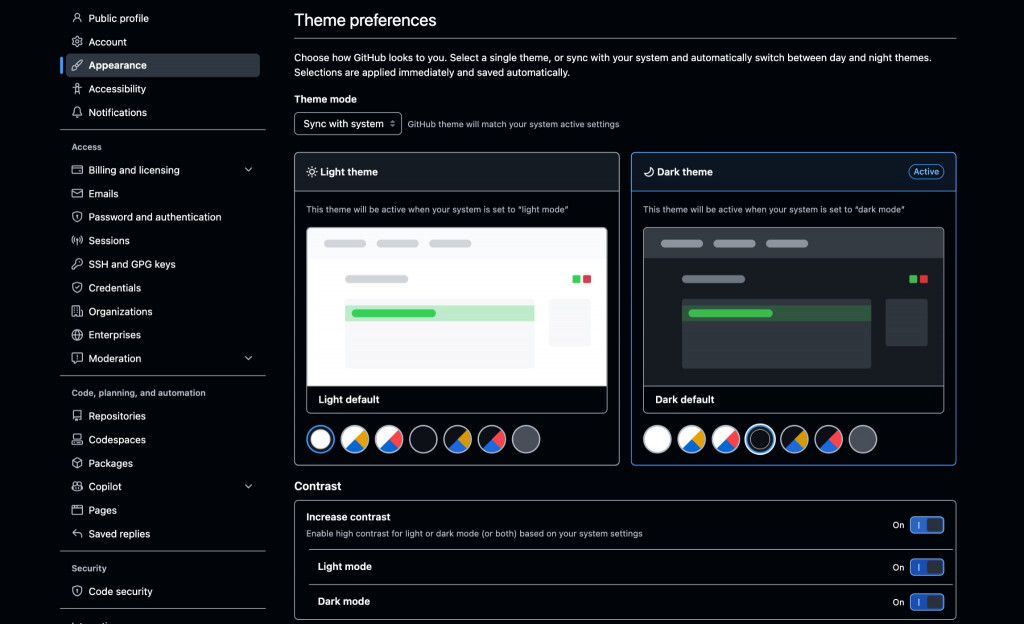
Features like dark mode function as fundamental elements for inclusive experiences.
Known as negative contrast polarity, offering light text on a dark background provides an accessibility necessity that reduces visual fatigue, particularly for users with visual impairments like cataracts.
Modern website features must accommodate distinct physiological realities. Ensuring high contrast ratios and flexible viewing options guarantees that a site remains functional and approachable for diverse audiences.
7. Fast loading speed and performance
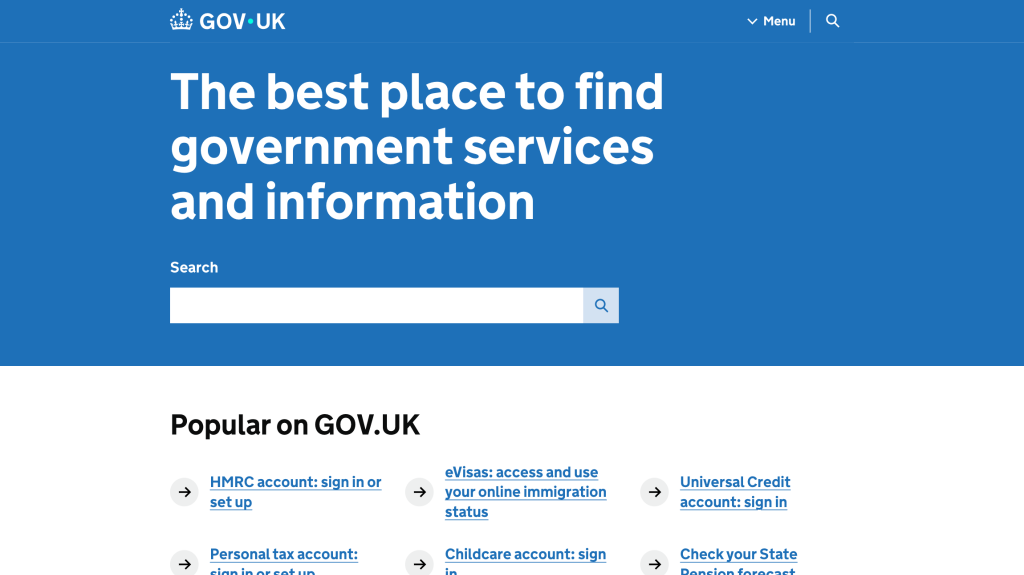
Heavy, unoptimized interfaces act as a liability. Engineering teams universally deride infinite pre-loaders or auto-playing background videos to mask bloated code. Maintaining rapid page speed remains non-negotiable because Google algorithmically prioritizes platforms with optimized Core Web Vitals. Performance optimization ensures a swift Time-to-Interactive, minimizing cart abandonment. Speed acts as an invisible UX element; if the infrastructure is not exceptionally fast, the sharpest visuals will fail to retain visitors.
8. Interactive elements and microinteractions
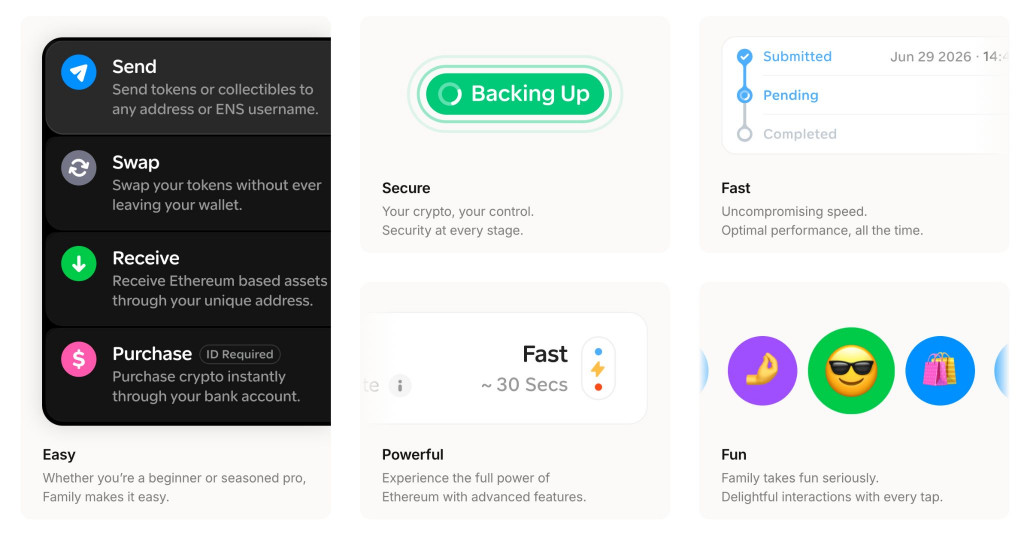
Animation functions as purposeful motion to communicate system status. Microinteractions provide localized feedback loops, such as a submit button altering its state or a specific form field softly glowing upon validation.
When interactive elements respond instantly to input, they give user sense of acknowledgment. As user feedback mechanisms they reduce uncertainty, decreasing the friction and rage-clicking that derail critical checkout and registration workflows.
9. Personalized user experiences
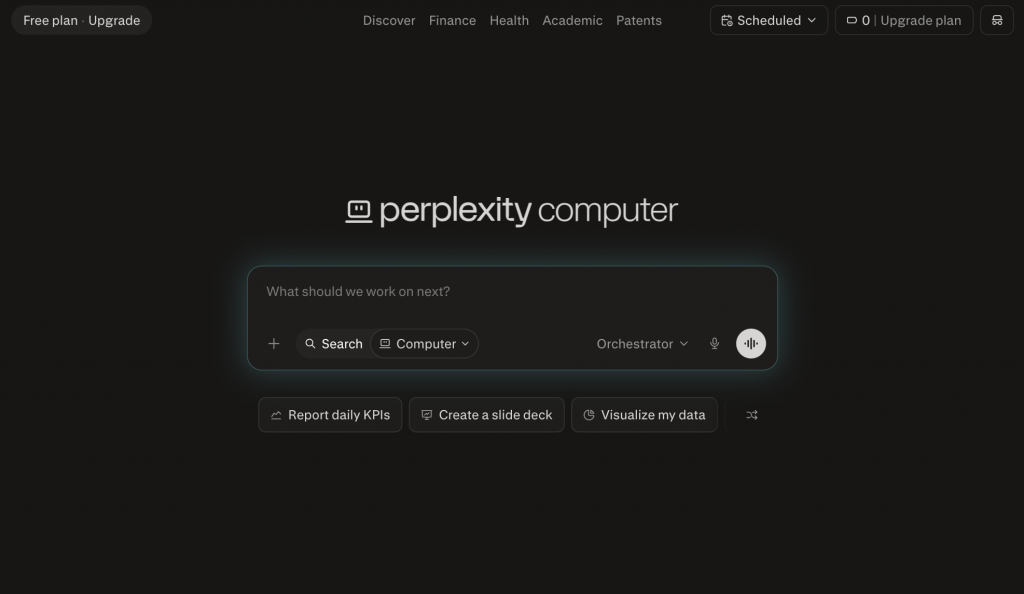
Integrating AI shifts personalization toward Generative UI. Individual’s immediate context and intent sets this behavioral customization ensuring that an analyst sees data-dense charts while a marketer sees high-level campaign summaries. All on the same platform.
10. Consistent brand identity
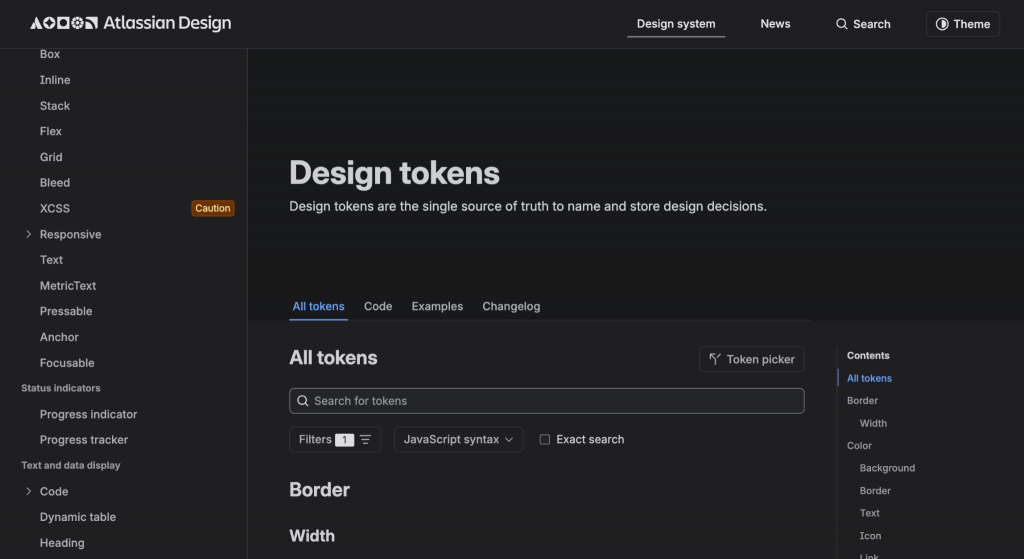
Enterprise companies manage a cohesive brand identity across thousands of pages by relying on design tokens. These abstract specific visual attributes – like a core brand color or typographic scale – into named, reusable variables.
If a rebrand occurs, updating a single design token propagates the change instantaneously across the infrastructure. Implementing design systems utilizing tokens solves technical debt, enforcing strict visual consistency without demanding hundreds of hours of manual refactoring from the development team.
11. Immersive storytelling and visual experiences
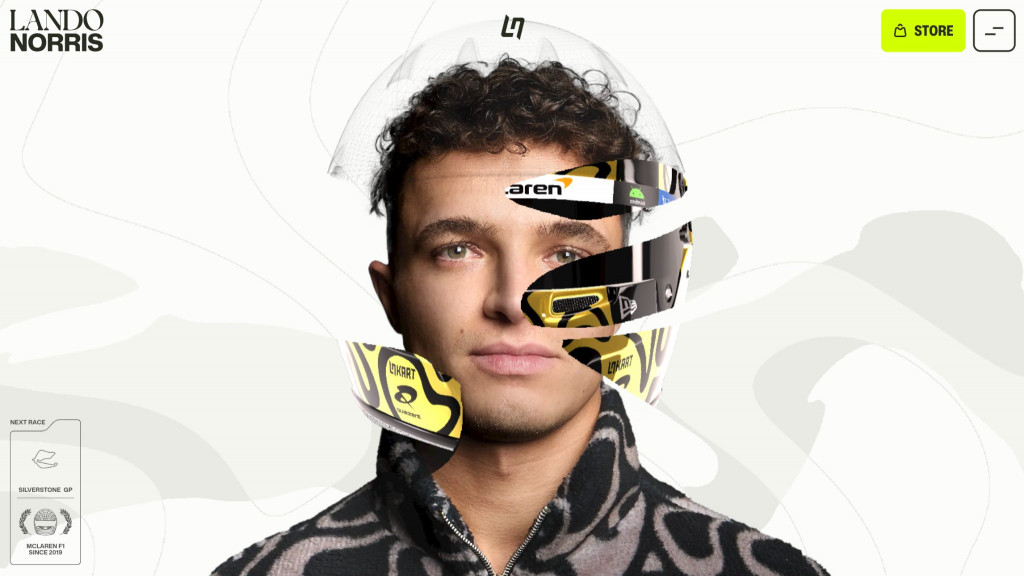
Expert modern UI design utilizes guided scrolling to build immersive experiences.
Progress indicators and velocity tracking that respond linearly to the user’s input keeps control firmly in the user’s hands. This allows for rich storytelling – revealing critical information exactly when relevant – preserving natural reading cadences.
Key principles of accessible web design
Integrating inclusive web design from the initial architectural phase drastically improves commercial metrics. Research indicates that adherence to digital accessibility guidelines reduces e-commerce cart abandonment rates that are currently at 70% rate.
Building inclusive experiences ensures equal access by respecting biological and mechanical constraints. This requires making content easy to perceive through high color contrast ratios, readable typography, and accurate alternative text for visual media.
Prioritizing semantic HTML and baking accessibility in web development guarantees that the site functions across diverse navigational methods. When a platform supports keyboard navigation and correctly interprets inputs for screen readers, the resulting accessible navigation broadens the total addressable market while establishing a foundation of user trust. Constant accessibility testing prevents these pathways from deteriorating during subsequent codebase updates.
Common website design mistakes that make sites feel outdated
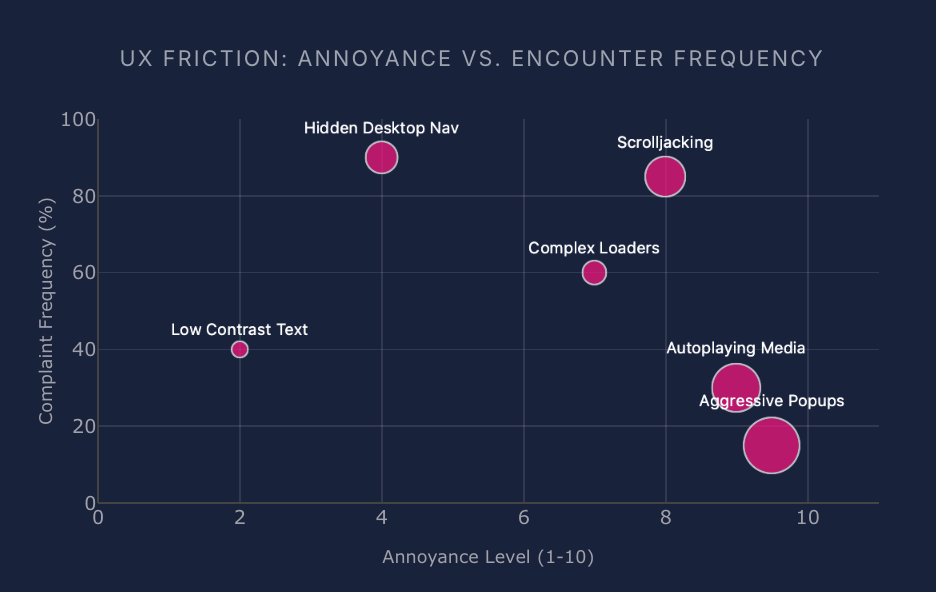
When interfaces prioritize aesthetics over the website user experience, they feel obsolete to the modern consumer.
| “Bento Grid fatigue is a friction point today. Overusing fragmented compartments results in cluttered layouts where the eye jumps on disrupted reading patterns.” — Darko Pašalić, Head of Branding, Fireart Studio |
Slow loading speeds driven by heavy imagery such as auto-playing video backgrounds instantly inflate bounce rates and tank your search performance.
Forcing an aesthetic that relies on outdated visual styles creates a poor mobile experience with confusing navigation and inconsistent branding.
Results are reduced credibility and a loss of conversions.
Are legacy layouts hurting your conversion rate? Fireart identifies design opportunities through UX audits.
Request a UX AuditHow to incorporate modern web design trends without following every fad

Strategic digital execution requires balancing fresh aesthetics with proven usability metrics. If a website design trend – like complex 3D rendering or elaborate motion graphics – increases cognitive load or jeopardizes long-term codebase stability, development teams discard it.
The goal is building design systems that support your business objectives with modern website trends, enhancing the user journey.
How Fireart Studio creates modern digital experiences
First thing that we do at Fireart Studio is the deep user research. We work with your current database to establish the personas who come to your website. We find out what they need to use your product better, and address it swiftly with software engineering.
We act as a strategic partner, delivering end-to-end digital product design and specialized mobile development. Our approach is conversion-focused; we can build new products from scratch or audit old flows for intuitive navigation architecture.
Based on the research, we execute precise UX/UI design that elevates both brand identity and backend performance. By integrating aesthetics with scalable infrastructure, we help businesses simplify their growth.
| ️Relevant case study to read: Parenting app design seeing growth to over 1M users |
Ready to discuss a new website redesign or a complex digital product initiative?
Contact us todayConclusion
The latest web design trends prove that an excellent digital product should feel invisible. It anticipates and meets user needs, removing friction with precise engineering, inclusive web design, and optimized journey. When your web design is fast, clear, friendly, and easily supported, you win.
FAQ: Common questions about modern web design
How do we balance cutting-edge design trends with brand consistency and accessibility?
We suggest using design tokens within their design systems. The foundational rules – such as color contrast minimums and spacing – remain strictly governed and accessible while fresh visual experimentation adheres to brand identity.
What is the ROI of investing in Core Web Vitals?
Upgrading to a modern website design directly scales revenue. Improving your page speed by just 0.1 seconds increases retail conversions by 8.4%. Adhering strictly to inclusive design and digital accessibility expands your addressable market and drops cart abandonment significantly, yielding financial returns.
What replaces traditional mega-menus?
In complex B2B environments standard mega-menus cause severe friction on mobile devices. Modern UI design adopt search interfaces where users type what they need. This surfaces relevant results and improves task completion rates, bypassing confusing navigation.
How does Guided Scrolling differ from the Scrolljacking?
Scrolljacking overrides the user’s native hardware, breaking accessibility. Guided Scrolling uses velocity tracking to trigger animations while preserving the user’s natural scroll rate. It delivers immersive storytelling while leaving control in the hands of the user.
With AI generating websites, how does a brand maintain a premium identity in 2026?
Elite brands deploy radical brevity, deep white space, and engineered microinteractions to prove human craftsmanship. Leveraging proprietary interactive elements captures attention.
Is Accessibility-First design just a legal compliance requirement?
Yes, and it is a profound business advantage, too.
Building inclusive experiences via semantic HTML and keyboard navigation guarantees your site is indexable by humans, AI scrapers, and voice assistants. It means cleaner code, faster load times, and ultimately a superior website user experience for the entire market.




 Kotlin
  C++
C++  C#
C#  Ruby on Rails
  Java
Java  Firebase
  Python
  Vue.js
  HTML5
HTML5  CSS3
CSS3  Azure
Azure